Lifetime Citizen Portal Access — AI Briefings, Alerts & Unlimited Follows
Civil Air Patrol asks lawmakers to exempt cadet encampments from youth-camp licensing
Loading...
Summary
The Connecticut Wing of Civil Air Patrol and U.S. Air Force representatives urged lawmakers to exempt CAP encampments (annual week-long cadet camps) from state youth-camp licensing, saying federal charter, background checks and operational norms address safety; proponents said 2024 encampment at CampNet was canceled and moved out of state.
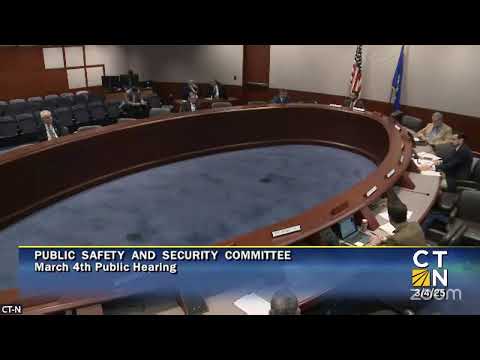
The Connecticut Wing of the Civil Air Patrol asked the Public Safety and Security Committee to exempt its cadet encampments from the state's youth-camp licensing requirements, saying federal oversight, recurring background checks and the volunteer organization's established safety protocols make the state license unnecessary for CAP camps.
Lt. Col. Ashley LaPlante, Connecticut Wing commander, said CAP encampments provide weeklong leadership and aerospace training for cadets and that the organization complies with rigorous national safeguards: adult members undergo routine background checks and the wing follows U.S. Air Force auxiliary regulations. “Our national regulations require routine background checks, not only to join our organization, but they are ran in the background every 5 years by the FBI,” LaPlante told the committee.
Sen. Kathy Austin, testifying in support, said Civil Air Patrol camps have run in Connecticut for decades, are congressionally chartered and support emergency response work. She and others said the local encampment has historically helped attract young people to aviation and public-service careers and at times has supported disaster-response missions.
CAP witnesses said the requirement that a licensed camp provide an on‑call physician and certain building-based facility requirements creates a cost and logistical burden because CAP does not own many sites and often uses state facilities such as CampNet. Lt. Col. Neil Talbot, Northeast region operations director, told the committee that after licensing timing issues the Connecticut Wing canceled its 2024 encampment at CampNet and moved its 2025 event to Fort Devens in Massachusetts.
Committee members said they support youth safety but are mindful that the children's‑services committee is simultaneously reviewing who should be licensed. Several legislators asked for written comparisons between CAP’s national requirements and the state licensing standards, and some requested that CAP provide documentation of its background-check and medical‑response procedures so lawmakers can evaluate any requested exemption.
No vote was taken. Committee members asked CAP and the children's committee to coordinate so lawmakers can weigh licensing standards and comparable safety controls.