Get Full Government Meeting Transcripts, Videos, & Alerts Forever!
Connecticut officials push to replace Transfer Act with release-based cleanup rules amid stakeholder concerns
Summary
State environmental and economic development officials outlined a multi-year effort to replace the Transfer Act with release‑based cleanup regulations, citing stalled cleanups and economic losses; stakeholders raised concerns about residential coverage, timing and implementation details including PEP/LEP roles and IT systems.
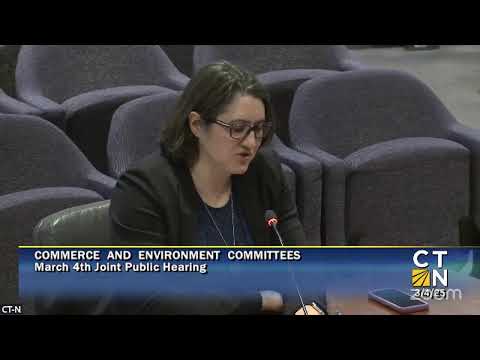
Connecticut officials told a joint meeting of the legislature’s Environment and Commerce committees that they are seeking to replace the state’s Transfer Act with a release‑based cleanup regulatory framework intended to speed cleanups and unlock redevelopment opportunities.
“We are long overdue to eliminate the Transfer Act system, and relieve businesses and residents of the economic burdens of that program,” Katie Dykes, commissioner of the Connecticut Department of Energy and Environmental Protection, told the committees. She and officials from the Department of Economic and Community Development said the new approach aims to harness market incentives to prompt faster remediation and reuse of contaminated properties.
Why it matters: Connecticut remains an outlier in relying on property transfers to trigger many cleanups. Officials said roughly 5,000 properties have entered the Transfer Act since it took effect and fewer than 500 have completed cleanups since 1985, a backlog they said has held back investment in city centers and transit‑oriented sites.
What officials described - Process and timeline: DEEP said a years‑long stakeholder process produced the draft release‑based cleanup regulations (RBCRs). The department reported more than 60 working‑group meetings, 10 subcommittees, 12 stakeholder sessions in 2024 and roughly 150 days of public comment on successive drafts. The draft regulations were provided to the working group in December 2023 and reissued for public comment in July 2024 with a three‑month comment period. - Statutory changes and schedule: DEEP and DECD told the committees they seek statutory amendments that would allow a transition date to the new release‑based framework of March 1, 2026. The regulations are scheduled for an initial review by the legislature’s Regulations Review Committee on March 25, 2025. - Implementation tools: Officials described an online case‑management system for filings and public tracking (referred to in testimony as the department’s REACT system). DEEP said the contractor for that software is under way and officials are “hopeful” the system will be live by the end of the summer ahead of the March 2026 effective date. - Private‑sector roles: The RBCRs would create a new…
Already have an account? Log in
Subscribe to keep reading
Unlock the rest of this article — and every article on Citizen Portal.
- Unlimited articles
- AI-powered breakdowns of topics, speakers, decisions, and budgets
- Instant alerts when your location has a new meeting
- Follow topics and more locations
- 1,000 AI Insights / month, plus AI Chat