Get Full Government Meeting Transcripts, Videos, & Alerts Forever!
Get email alerts on the Tribal Housing topic
No spam. Unsubscribe anytime.
State‑recognized tribes urge lawmakers to approve HB 7110 to fund tribal housing and recognize tribal jurisdiction
Summary
Representatives from Eastern Pequot, Golden Hill Paugussett, and other state‑recognized tribes testified in favor of HB 7110, a bill to appropriate funds and require studies to facilitate tribal housing, improve infrastructure on reservations, and re‑establish direct state‑to‑tribe relationships.
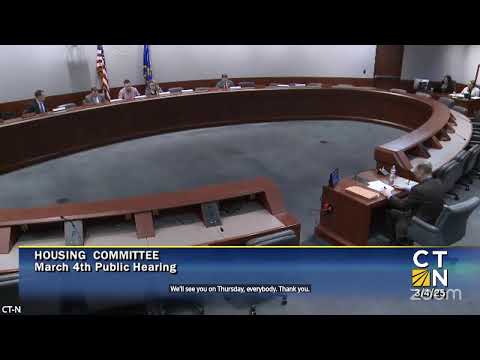
Leaders and members of several Connecticut state‑recognized tribes urged the Housing Committee to approve HB 7110, which would appropriate funds to support housing on state‑recognized tribal lands and require studies of reservation land, infrastructure and tribal housing needs.
Jelani (Alani) Fletcher, a tribal councilman for the Eastern Tupiqua Tribal Nation, told the committee the bill would help tribes "bring our people home" and develop the infrastructure and capacity to manage grants and housing projects directly rather than through state intermediaries.
Cassandra Keola (Small Bear Warrior), of the Golden Hill Paugussett Tribal Nation, said the proposal would support tribes’ ability to plan for future generations and leverage existing reservation acreage in Colchester and Trumbull. Keola urged legislators to consider the long‑term social and cultural benefits of allowing tribes to house members on historic homelands.
Brenda Geer, vice chairwoman of Eastern Pequot Tribal Nation, told lawmakers the tribe lacks consistent state support from agencies historically designated to assist tribes. She described wells and housing on reservation parcels that require repair and asserted state agencies have not fulfilled statutory duties to notify tribes of grants, help write applications or support efforts to secure funding.
Witnesses asked the committee to allow tribes better access to state funds and technical assistance, to recognize tribal sovereignty in land stewardship, and to design any appropriation and study requirements so tribes can assess housing feasibility, infrastructure needs, and paths to repair or replace aging systems.
Lawmakers asked clarifying questions about current gaps in funding, which agencies currently oversee tribal reservations, and whether tribes receive federal funding directly. Tribal representatives said many state‑recognized tribes face federal funding limitations and that some of the oversight now sits with the Department of Energy and Environmental Protection (DEEP) rather than agencies tribes identify as appropriate partners.
Committee members thanked the tribal leaders for testimony and asked staff to review statutory language and coordination mechanisms so any funding or studies can be designed in consultation with the tribes.