Get Full Government Meeting Transcripts, Videos, & Alerts Forever!
Get email alerts on the Public Safety And Fire Risk topic
No spam. Unsubscribe anytime.
Pima County public hearing draws sharp local debate over proposed fireworks ordinance
Summary
Supervisors heard a public hearing on a proposed code change that would tighten permitting, require neighbor notification and tie public displays to a U.S. Drought Monitor threshold; board directed the county administrator to consult industry representatives before further action.
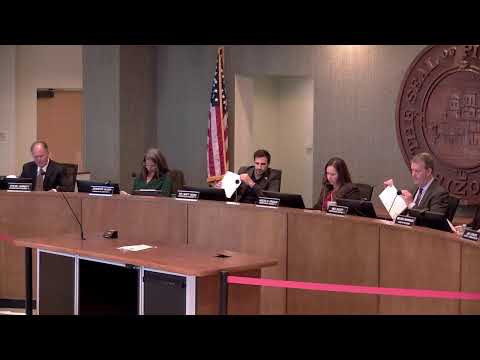
A proposed Pima County ordinance that would restrict public fireworks displays in the unincorporated county drew a packed public hearing and a mix of community objections and supporter comments, ending with supervisors directing county staff to consult with fireworks professionals before taking the ordinance to a vote.
The draft code changes circulated by county staff would do several things beyond current rules: require applicants to notify neighbors within 1,000 feet after an application has been approved; remove authority for justices of the peace and constables to grant fireworks permits (moving consistent permitting responsibility to the county); limit display hours (between sunset and 11 p.m. except for New Year’s and where the board authorizes a later hour); require on‑site standby by the appropriate fire authority; and allow fire authorities to cancel a show if sustained wind exceeds 10 miles per hour. The draft also tied approval to drought readings from the U.S. Drought Monitor, proposing that public displays be prohibited when the monitor shows the county in certain drought levels.
Local reaction was strongly mixed in the three‑hour hearing. Some residents described repeated, late‑night commercial displays in residential areas that have frightened pets and raised safety concerns, while fireworks contractors and several country clubs warned the ordinance in its current form would put longstanding community events and wedding and corporate displays at risk. A fireworks professional who has worked in the region for decades told the board he will forgo permits at one location where repeated problems have occurred but urged the county not to adopt a blanket ban that affects irrigated golf courses and school athletic fields. One resident said the ordinance’s neighbor notice requirement should allow signs or HOA notifications rather than certified mail because the latter would be onerous for schools and community groups.
County staff told supervisors the drought‑reference language was developed to avoid situational ambiguity (rainfall or humidity differ block by block) and to provide a single, public indicator for permitting decisions. Supervisors debated amending the drought clause to apply only to the most severe categories and to soften the presubmission mail requirement so notice occurs after an application is approved.
After the public testimony, the board voted unanimously to instruct the county administrator to meet with fireworks industry representatives and other stakeholders to work toward modifications that might narrow conflicts and improve enforceability. Chair Nora Scott framed the action as a request for further negotiation before the board considers ordinance adoption. The motion passed 5–0.
Quote: “No public fireworks displays shall be held at The US Drought Monitor weekly report, identifies the drought conditions for Pima County at d 2, severe drought, d 3, extreme drought, or d 4, exceptional drought,” Chair Nora Scott read when summarizing the proposed code language.
Ending: The county will return to the board with staff recommendations after meetings with industry and other stakeholders; supervisors said they want a notice rule that balances public safety and feasibility and a drought threshold that is administrable by fire authorities.