Get Full Government Meeting Transcripts, Videos, & Alerts Forever!
Get email alerts on the Public Safety topic
No spam. Unsubscribe anytime.
Fire and emergency responders urge planning attention as commissioners discuss ambulance district and growth
Summary
Fire and emergency officials and commissioners used public comment and reports to press for more coordinated planning on growth, forestry management, ambulance services and facility needs; the fire chief warned that continued mild winters and increased development raise wildfire and service-capacity concerns.
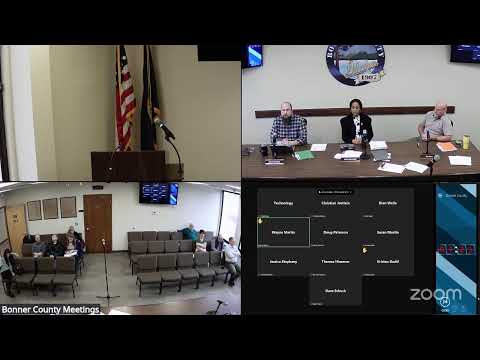
During public comment and commissioner updates on March 4, Bonner County fire and emergency medical service (EMS) officials and commissioners emphasized the need for coordinated planning as the county grows.
Joe Armstrong (referred to in the meeting as Chief Armstrong) and other fire leaders said recent deployments and wildfire conditions underscore that growth, lack of sufficient ingress/egress and limited water supplies can create vulnerabilities. Armstrong, who attended and identified himself as a fire chief and Bonner County resident, said mild winters and accumulated fuels create conditions where a single season could significantly increase fire risk. He said growth must be matched with sustainable emergency-service capacity and infrastructure.
Commissioners and staff said they were working on creating an ambulance service district task list and holding community meetings. Commissioner updates announced a March 18 commissioner chat specifically to discuss EMS, fire support and potential levy considerations. Commissioners also described work to create a condition survey of county-owned facilities to inform long-range capital budgeting and support facility-level maintenance and replacement planning.
Public commenters and commissioners raised related topics: the relationship between federal/state forest management and local wildfire risk, the role of volunteer fire districts and funding pressure, concerns about developer-driven demand for water and school services, and the need to ensure planning reviews solicit detailed impact statements from fire, EMS, law enforcement and school districts rather than general or canned responses.
Why it matters: Commissioners and emergency responders said the county must align land-use decisions, emergency-service capacity, fire prevention, and infrastructure funding to maintain public safety as housing development and commercial proposals proceed.
Follow-up: Commissioners said they will continue work to assemble an ambulance-service-district task list, pursue risk/insurance conversations with ICRMP and insurers for fire resources, and pursue facility-condition assessments. They asked planning staff to require more specific service-impact data from applicants where necessary.