Get Full Government Meeting Transcripts, Videos, & Alerts Forever!
Get email alerts on the School Calendars topic
No spam. Unsubscribe anytime.
Board previews 2025–26 early-college calendars and 2026–27 system calendars; staff asks for feedback ahead of April state filing
Summary
Staff reviewed early-college calendars (aligned with college partners) and draft 2026–27 traditional, modified and multi‑track calendars, and asked the Board to send feedback before the April state deadline so the system can adopt final calendars in time.
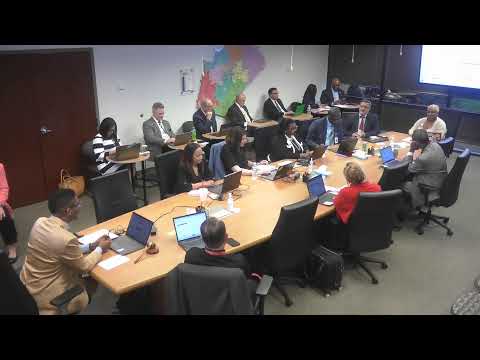
Wake County Schools staff briefed the Board on proposed calendars for early‑college programs for 2025–26 and for systemwide calendars for 2026–27 during the MARC 4 work session, and asked trustees to submit any feedback before staff finalizes materials for filing with the state in mid‑April.
Staff presenters, including Mr. Carroza and Tomomi (staff), said the early‑college calendars are developed jointly by each school and its college partner (Wake Tech, NC State, Shaw University) and typically begin earlier in August and end in May to align with partner schedules. Staff noted the early‑college calendars for 2025–26 start in early August and end May 21, and they remain subject to the state-required minimums for instructional time: 177 student days, 17 teacher work days, required holidays and 1,025 instructional hours.
Tomomi highlighted two “wellness days” on the Wake STEM calendar (Sept. 16 and Feb. 17) that align with North Carolina State University events and will appear mid‑week; staff said they will communicate those to families so the dates are clear.
On system calendars for 2026–27, staff previewed four options used in the district: early‑college (as noted), modified construction calendar, multitrack year‑round (multi‑track) and traditional. Key points staff gave the Board:
• Modified/Restart calendars: Seven schools operate on a modified calendar with alternating 9‑week sessions and 2‑week breaks; the schedule yields a shorter summer but similar total vacation time.
• Multitrack year‑round: Tracks rotate so buildings remain in use year‑round; staff noted scheduling constraints such as a “hanging day” in October when one track is in for a single day, and that some June retest/flex days are banked instructional days used before the academic year ends.
• Traditional calendar: State statutes set start and end parameters, limiting flexibility; staff said the draft traditional calendar starts in late August and ends in early June, includes a two‑week winter break and attempts to space a workday or holiday in each month.
Staff emphasized the calendar committee’s effort to balance instructional priorities, required state instructional hours, and family needs. Several Board members thanked staff and the calendar committee for the committee’s work and urged that the draft calendars not be revised repeatedly after adoption, noting the difficulty families face with late changes.
Timing and next steps: staff asked the Board to provide any calendar feedback within approximately two weeks so that materials can be finalized and submitted by the April 14–15 filing dates the presenters referenced. Staff said they plan to return with a request for formal approval at the next Board meeting in two weeks so calendars can meet state deadlines.
Ending: Staff invited trustees to review draft calendars in Assembly (the Board materials system) and to email suggestions to the presenters; several trustees said they would send comments promptly.