Get Full Government Meeting Transcripts, Videos, & Alerts Forever!
Get email alerts on the Fleet Management topic
No spam. Unsubscribe anytime.
Houston fleet director outlines $563 million, 10-year emergency vehicle replacement plan; $197M gap
Summary
Fleet Management presented a 10-year replacement plan for Houston emergency vehicles covering fire and police fleets, warning of aged vehicles, delivery delays and a roughly $197 million funding shortfall between the plan and current CIP allocations.
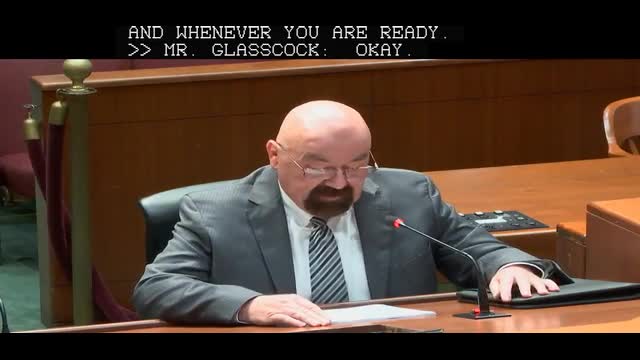
Director Glass, Fleet Management Department, told a City of Houston committee that a 10-year replacement plan for emergency vehicles covering fire and police operations would cost about $563 million and leave an unfunded gap of roughly $197 million under current capital improvement plan (CIP) projections.
The plan, presented by Director Glass, details large shortfalls in capacity and aging equipment across the fire and police fleets, and recommends targeted early-year purchases to drive down average fleet age. Glass said, “Over the 10 year period, we're looking at a total cost of $563,000,000 for this plan. With capital improvement plan funding levels kept close to where they are now with an annual 5 percent increase, the CIP will cover roughly $366,000,000 of this cost. So that leaves an unfunding balance of approximately a hundred and $97,000,000.”
Why this matters: the report links vehicle age and mileage to elevated maintenance costs, delivery delays and safety risk for emergency responders. Fire and police units are being operated past industry “useful life” benchmarks and the presentation warns that continuing that trend reduces reliability and loses the benefits of modern safety and communications upgrades.
Director Glass opened with fleet totals for the fire department: 977 vehicles in total, of which 744 are on-road and 233 are off-road. He said roughly 60 percent of the on-road fleet is beyond useful-life benchmarks. For ambulances, Glass reported a peak vehicle requirement (PVR) of 113 units but said the current active ambulance count and availability are inadequate: “Our current fleet is 7 units less than the total daily fleet need,” he said, and added that 88 percent of the ambulance fleet is beyond useful-life benchmarks. Glass gave the city’s replacement price for a new ambulance as $356,000 and said recent market volatility has driven ambulance prices up as much as 30 percent over the last two years, with two-year delivery waits in some cases.
The presentation grouped high-priority apparatus into four categories for the fire department: ambulances, aerials (ladder trucks), pumpers (engines) and light-duty vehicles for chiefs and investigators. Key details Glass provided:
- Ambulances: PVR 113; replacement/expansion cost shown as $356,000 each; 88% beyond useful life; average ambulance age ~10 years and average mileage ~284,000 miles; two-year delivery waits reported; plan calls for a 25-unit purchase goal in 2026 to help re-establish target average ages. Glass said a target average fleet age for ambulances is 4 years in the model, which implies replacement at roughly 8–9 years.
- Aerials: average age 14 years; almost half beyond useful life; some units built in the 1990s; target average age 10 years (replacement at 20 years per NFPA guidance). Glass warned of national market consolidation and delivery delays: “We've seen 2 to 5 year delivery days,” he said, and noted aerial prices rose ~36% over three years.
- Pumpers (engines): average age 11 years; 53% beyond useful life; several units out of service for accident and fatigue repairs; repairs can exceed $100,000 and take more than a year.
- Light-duty fire vehicles: roughly 370 units; average age about 11 years; 52% beyond useful life; average replacement cost listed near $48,000 because many are upfitted.
Police fleet summary: the active police fleet exceeds 4,000 vehicles; Director Glass said roughly half of on-road police units are beyond useful life. He highlighted heavy mileage on patrol and investigative units: patrol, investigative and light-duty police vehicles together average roughly 24,000 miles per vehicle per year and together travel more than 45 million miles annually. Patrol vehicle specifics included roughly 1,600 patrol units with average age 6 years and average mileage 66,000; Glass said 48% are beyond useful life and the city is “40 vehicles short when compared to the daily fleet need.” He also said 84 patrol units have been lost annually to accidents over the past two years.
Funding, risk and procurement constraints: Glass told the committee the plan does not expand service levels — it is intended to sustain current service levels and bring average fleet age below useful-life benchmarks. He said some of the funding shortfall could be addressed via discretionary grants and lobbying state officials for emergency vehicle funding, but emphasized market and supply risks: production of fire apparatus has concentrated in fewer companies, production did not scale with ARPA-driven demand spikes, and prices for apparatus and parts have risen sharply.
To reduce risk and improve availability, Fleet Management recommended or outlined several procurement and operational strategies already in progress:
- Multiple vendor contracts for service work to reduce shop backlog and create competition among local vendors. - Contracted light-duty preventive maintenance at quick-turn facilities to reduce vehicle downtime and selectively use outside vendors where cost-effective. - Prepaid capital purchases (with vendor performance bonds) to gain quantity or delivery benefits in exchange for early payment. - “Pull-ahead” funding to place orders during specific OEM model-year windows (example: ordering model-year 2026 patrol cars before order windows close) so the city can receive additional vehicles or lower pricing. - Five-year purchasing agreements to increase buying leverage and stabilize order timing. - Short-term vehicle leasing for low-use specialty assets. - Specification changes, such as heavier chassis for ambulances and greater pre‑upfitting of police vehicles before delivery to preserve warranty coverage.
Operational and facility issues: Glass noted an acute shortage of skilled mechanics (vacancy rate reduced from ~25% to ~15% in two years) and the limits of aging garage infrastructure: a fire garage on Dart Street was built in the early 1960s and is undersized for modern apparatus; Central Police Garage on Reasoner's Street is similarly constrained. He also raised the challenge of maintaining “high-water” vehicles (Army salvage units from the 1980s) that run infrequently but are costly to service and hard to find parts for; the fire department is exploring multiuse conversions to increase utilization.
Technology and tracking: Fleet Management discussed installation of a telematics/fleet-tracking system (identified in the presentation as Samsara) to capture accurate mileage, detect harsh driving events, notify shops of emerging faults and support predictive maintenance. Glass said installations are underway in solid waste and other departments and that police installations are in progress, but he prefers to complete rollout on non-emergency vehicles first to work out implementation issues.
Council and public comments: Councilmember Twyla Carter supported multiuse adjustments for specialty vehicles and praised the presentation’s practical approach. Captain Beau Marino (fire department) thanked council for previously approving “just over a hundred thousand dollars to refurbish our 30 year old boat fleet” and said the refurbishment added safety features. A resident identified as Dominic urged regional coordination and pooled procurement — suggesting a shared cache or a countywide specification to buy at volume — and recommended joint purchasing agreements across agencies to lower per-unit costs.
What the plan does not do: Director Glass emphasized the plan does not provide additional vehicles for service expansion or for contingency (wide-scale emergency activation) beyond the current target fleet, noting those contingencies would require separate funding.
Next steps and timing: Glass said Fleet will submit the replacement requests into the FY26 CIP process and that several procurement items (a contract for contracted preventive maintenance and pull-ahead funding requests) will come to council for approval in the coming weeks.
Ending: The committee accepted the presentation and proceeded to public comment; no formal vote on the 10-year plan occurred during the meeting.