Get Full Government Meeting Transcripts, Videos, & Alerts Forever!
Get email alerts on the Natural Resources topic
No spam. Unsubscribe anytime.
Water reliability, air quality and open‑space surfaced as connected priorities for Avondale’s long‑term planning
Summary
Regional resource leaders told Avondale officials that long‑range water planning, efforts to reduce PM2.5 (including curbing residential wood burning and consumer fireworks), and preserving open space and river corridors are essential to support growth.
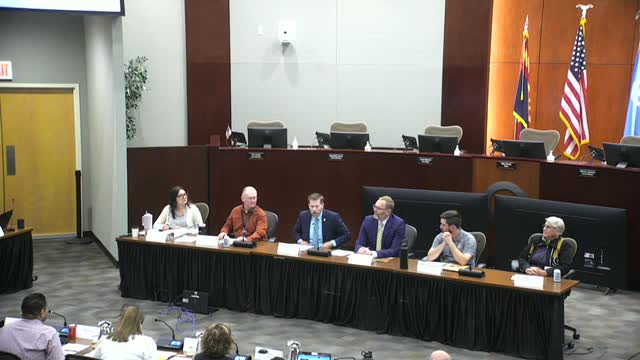
Representatives of the Arizona Municipal Water Users Association, Maricopa Association of Governments (MAG), the Arizona Game and Fish Department and conservation groups told Avondale councilmembers on March 4 that water security, air quality and sensible open‑space planning need to be coordinated with the city’s growth strategy.
Warren Tenney, executive director of the Arizona Municipal Water Users Association, said Arizona cities must plan for reduced Colorado River supplies, invest in new sources and treat water as a long‑term commitment: “Water is a long game,” Tenney said, adding that federal guidance on Colorado River operations and persistent groundwater pressure create planning needs.
Matt Poppin, environmental director at MAG, said Maricopa County’s most serious local contributor to unhealthy fine‑particulate (PM2.5) air on certain days is residential wood burning and consumer fireworks rather than industry. MAG recorded some of the worst national PM2.5 readings in early January and urged public education and targeted air‑quality interventions.
Speakers from Arizona Game and Fish and the Audubon Society urged early identification of open‑space corridors, coordinated floodplain and habitat planning, and partnerships with private landowners to sustain river‑corridor restoration and wildlife habitat. Panelists recommended considering natural‑infrastructure flood management and setbacks from industrial development adjacent to river corridors.
Councilmembers discussed aligning water, development and open‑space policies to avoid future conflicts as Avondale grows. Panelists recommended continued regional collaboration on water supplies, stronger public messaging on activities that produce PM2.5 and advance planning for remediation or reuse of sand‑and‑gravel pits and other post‑industrial sites near the river corridor.
City staff said the comments would inform the city’s strategic plan and future capital projects.