
Hays County residents urge commissioners to fund local nonprofit PALS for county Pet Resource Center
Get AI-powered insights, summaries, and transcripts
Sign Up Free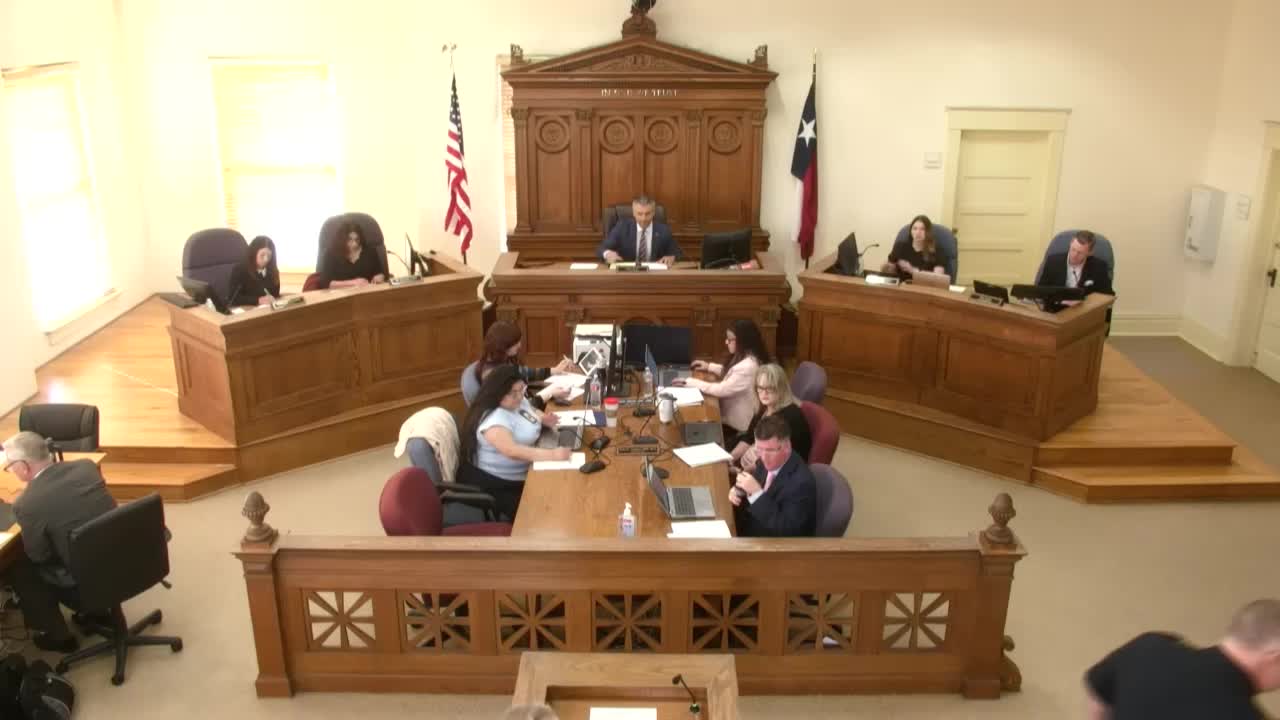
Summary
More than a dozen residents and volunteers told the Hays County Commissioners Court that PALS, a local animal welfare nonprofit, should receive county funding for spay/neuter, trap-neuter-return (TNR) and other Pet Resource Center programs instead of out-of-area groups such as Austin Pets Alive.
Hays County residents and animal welfare volunteers told the Commissioners Court on March 11 that the county should direct Pet Resource Center funding to PALS, a local nonprofit that provides low-cost and emergency veterinary care, spay/neuter services and trap-neuter-return clinics.
Supporters described PALS as an established local provider with brick-and-mortar clinics, a team of veterinarians and ties to municipalities across Hays County. "PALS is also a trusted nonprofit with an established relationship with this community," said Lauren Boyd, who urged the court to make PALS the project manager if the court funds life‑saving programs. Nancy Gustafson, a PALS volunteer, said PALS spayed and neutered over 6,000 animals last year and listed the group’s services, including a free pet food pantry and mobile clinics.
Speakers emphasized that PALS offers services residents can actually access, including low‑cost surgery and post‑operative care. "They have a team of 7 vets and a dedicated local staff that know the needs of the community because they live here," Boyd said. Other speakers gave firsthand accounts of clients who could not afford private veterinary care and relied on PALS for emergency procedures and routine treatment.
Several commenters contrasted PALS with Austin Pets Alive (APA), an organization the county has engaged to provide programming for the proposed Pet Resource Center. Diane Welker, a tech executive and former volunteer for Austin Pets Alive, said she experienced or heard of workplace and stewardship concerns while with APA and urged the court to include local groups in planning and funding decisions. Kelly Arthur, who leads the Lost & Found Pets of Hays County group, called for transparency and said county funds should go to local providers: "The taxpayers of Hays County want their hard earned money to go to their beloved local nonprofit that is already helping them and not to Austin Pets Alive," Arthur said in an emailed statement read to the court.
Other speakers urged immediate action on county funding for spay/neuter and TNR programs. Nicola Larkin, a volunteer, urged commissioners to designate discretionary funds for spay/neuter and TNR and recommended a full‑time countywide community‑cat coordinator to target TNR efforts based on shelter data. Multiple emailed comments from residents echoed the plea for increased local funding for low‑cost veterinary services and TNR programs.
Judge Becerra briefly clarified that the Pet Resource Center project and Austin Pets Alive’s programming are independent: "Austin Pets Alive and our Pet Resource Center project are independent. The Pet Resource Center is something we are working on... Austin Pets Alive is an organization helping with programming," he said, adding that a bricks‑and‑mortar center is planned regardless of program contractor arrangements.
Why it matters: Speakers said local access to affordable veterinary care reduces shelter intake, lowers costs for the county over time and supports residents who cannot afford private veterinary services. Multiple commenters emphasized that local nonprofit capacity and track records should be a criterion in any funding decision.
At the meeting the court did not take a final funding vote on the Pet Resource Center; public comment was the occasion for residents and stakeholders to press the court for a particular funding approach. Several speakers asked commissioners to allocate discretionary funds now to expand TNR and low‑cost spay/neuter services and to prioritize local providers with existing facilities and staff.
The court’s agenda later included an item to advertise an RFP for management and use of the newly acquired county sports complex and numerous administrative approvals; the Pet Resource Center funding decision was not decided during public comment.
Ending: Supporters asked commissioners to inspect PALS operations and financials as part of any funding decision and to consider immediate allocations for spay/neuter and TNR while larger Pet Resource Center planning continues.