Get Full Government Meeting Transcripts, Videos, & Alerts Forever!
Get email alerts on the Broad Street Market Rebuild topic
No spam. Unsubscribe anytime.
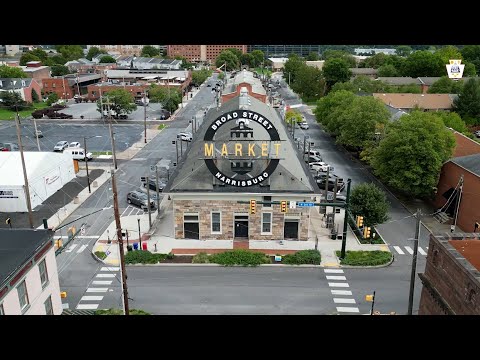
Harrisburg outlines plan to rebuild Broad Street Market after July fire; vendors press for historic accuracy and timely reopening
Summary
City officials, the fire chief and project architects presented a restoration plan for the Broad Street Market, describing investigation findings, procurement and timeline challenges, and early design concepts. Vendors and residents urged historic restoration, clearer public input channels and faster reopening.
The City of Harrisburg on a community night focused on plans to restore Broad Street Market after a July 10 fire, presenting an early design, timelines and procurement constraints while vendors and residents pressed officials for historic accuracy and clearer public engagement.
The market’s fire and recovery work remain the city’s top priority, the meeting opened with, “The Brushy Market is more than just a place to buy fresh fruit. It is a cornerstone of our community,” and pledged the administration’s commitment to restore the brick building, the speaker said. Architects and city staff then walked the public through conceptual plans and technical issues that have slowed reconstruction.
The market’s fire investigation, Harrisburg Fire Chief Bridal Emery said, began the same day as the blaze and initially suggested the ceiling fan on the building’s eastern side caused the fire. A joint scene exam on Aug. 10 involved about 20 investigators and about “15 tubs of evidence,” Chief Emery said; investigators later sent the items for analysis and by Nov. 15 the team had completed X-ray and forensic work. On Dec. 15, investigators told the city the case remained open but labeled the fire “undetermined” based on the collected evidence; the insurance company later released the building to the city in late December, Emery said.
Why restoration has taken months was a central topic. Chief Emery described procurement and insurance limits, saying stand holders often lacked business-loss coverage, and outlined regulatory limits on emergency declarations. “You can’t use [an emergency declaration] to usurp the procurement process,” he said, noting post-COVID changes in state rules that sharply limit how long an emergency declaration can remain active. City staff also cited long lead times for specialty equipment—PPL estimated 18–24 months for electrical components—and negotiations over utility work, where initial Capital Region Water estimates for street cuts could exceed six figures.
David Baker, the city’s facilities director, introduced architects from the selected firm and the team’s early concepts. Pete Hollow, the project manager from the architect team, said the brick building is the design priority and that work so far has focused on preserving historic elements while improving mechanical systems and vendor flexibility. The architects described a 19,000-square-foot brick building with roughly 6,200 square feet of circulation and about 750 square feet of existing public seating; they are studying a roughly 1,500-square-foot mezzanine within the unburned portion to add seating while moving some utilities beneath it. Hollow said the design aims to increase vendor stall area overall while improving accessibility and safety systems.
On windows and historic detail, Hollow said the team intends to “document the historic windows and replicate that with modern windows that will be insulated,” but also warned that fully divided, insulated historic windows are difficult and costly to produce. Residents pressed for authentic historic materials and operable windows where feasible; one attendee noted that state historic review would likely apply because the property is listed on the National Register.
Vendors said they want a restored market that balances historic integrity with modern comforts. A vendor who identified themself as a long-time market seller said, “With tragedy, you know, the vendors have become a lot closer as vendors, as community with, massive support from the community.” Vendors said they were shown the layout during recent vendor meetings and expressed support for the brick building priority while asking for continued engagement on details such as stall sizes and the use of new central plaza space.
Residents raised questions about public access and how the city will collect feedback. The city said there is a 13-member Broad Street Market committee that meets monthly and that officials are taking vendor and public input; Council President Danielle Bowers invited residents to bring comments to City Council legislative sessions and offered to convene an ad hoc resident committee for additional input.
Funding updates included a city statement that the Broad Street Market Alliance expects to contribute a $350,000 grant for upgrades to the stone building. City staff also said they have discussed state support; the mayor’s office reported a planned meeting with the governor about historic preservation funding.
Discussion items that did not become formal decisions included exact historic treatments for windows and doors, the final configuration of the central plaza (ranging from open community space to rentable venue), and whether to charge for use of the new middle space. The architects and city staff said these choices remain under study and will be informed by further public engagement and regulatory review.
Officials gave a construction and service timeline: tent procurement began in July, the temporary tent was installed in September, and the tent opened to serve vendors on March 27 while brick-building design and permitting continue. Chief Emery and staff cautioned that procurement and utility work can extend timelines; lead times for some components were described in months to years rather than weeks.
The meeting closed with officials promising ongoing updates as the project moves through design, permitting and funding milestones and with an invitation to vendors and residents to provide written comments to the Broad Street Market office or at City Council meetings.
Ending: City staff said restoration of the brick building remains the immediate priority; officials and the architect team signaled more public outreach steps ahead as design work continues and funding and code reviews move forward.