Get Full Government Meeting Transcripts, Videos, & Alerts Forever!
Get email alerts on the Career And Academic Plan topic
No spam. Unsubscribe anytime.
Nevada schools present updated District Career Academic Plan; board approves submission
Summary
District staff reviewed the District Career Academic Plan (DCAP), discussed state rubric feedback and changes under Iowa Administrative Code chapter 49.5, and the board voted to approve the plan for submission.
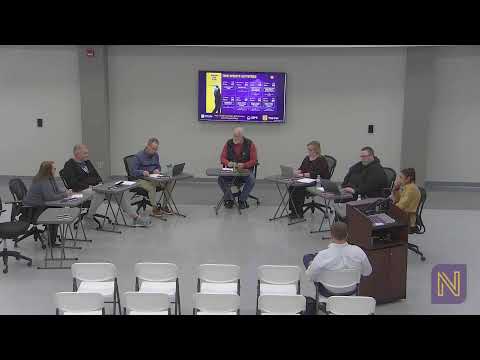
Dr. Cody Rasmus presented the Nevada Community School District—s District Career Academic Plan (DCAP) and recommended the board approve the plan for submission to the state. Rasmus said the DCAP process is governed by Iowa Administrative Code chapter 49.5 and that the district must maintain individual career academic plans for students in grades 8 through 12.
Rasmus told the board the state rubric and the scoring process have changed frequently in recent years and that Nevada's most recent submitted plan scored 19 out of 36 under the current rubric. He said the district—s submission emphasizes improved student reflection opportunities, increased FAFSA advisement, and expanded work-based learning where practical. He described Xello (a student career-planning platform) as a key tool the district is implementing to build reflection and postsecondary planning into student programming.
Board members asked clarifying questions about what "reflection" means in the rubric and how the district will provide reflection opportunities for students after career fairs, DMACC visits and work-based learning experiences. Rasmus and staff said examples include lesson-level reflection documents, seminar follow-ups and counselor debriefs, and that Xello includes embedded reflection activities which staff will integrate into classroom lessons.
The board discussed challenges the district faces expanding work-based learning to younger grades, citing scheduling, transportation and insurance constraints; staff said most opportunities have focused on 10th-12th graders and that many students find or request opportunities themselves. Board members also questioned how FAFSA completion goals should be interpreted, noting that not all graduates pursue postsecondary education and that some students cannot complete FAFSA without parental participation.
After discussion, a board member moved to approve the DCAP as presented so staff could submit it to the state; the motion was seconded and carried by voice vote.
Rasmus said the plan will be submitted for scoring; the district expects practitioners from other districts to review and score plans this year and has asked staff to use that feedback to guide multi-year improvements focusing on specific rubric components.