Get Full Government Meeting Transcripts, Videos, & Alerts Forever!
Get email alerts on the Employee Benefits topic
No spam. Unsubscribe anytime.
Small business advocates back HB 341’s individual coverage plan and caution on state retirement proposals
Summary
NFIB and insurance industry speakers endorsed an individual coverage reimbursement proposal (HB 341) and urged caution about state‑run retirement plans while discussing long‑term care funding options for aging residents.
Speakers at the Small Business Development Committee meeting discussed several proposals related to employee benefits and retirement policy, including an individual coverage reimbursement plan (ICRA) and state‑sponsored retirement programs.
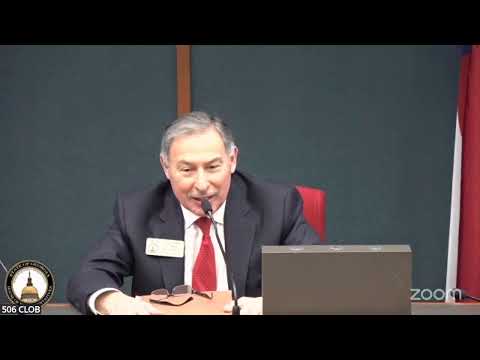
Michael Walker, chairman of the NFIB leadership committee in Georgia, promoted HB 341, which he described as an individual coverage health insurance reimbursement plan and said Representative Newton is a sponsor. "As a small business owner, a person that's in the insurance business, I certainly would recommend that us being able to move forward with that," Walker said. He said the proposal could help small employers who are not large enough to offer group plans by incentivizing individual coverage.
Walker also warned of an impending long‑term care financing challenge as the population ages. "There's a tsunami coming with aging baby boomers and people going into nursing homes," he said, and he stressed that Medicare does not pay for most long‑term care costs. "It does not take care of that at all. It's Medicaid, the state funds that take care of that," Walker said. He proposed exploring public‑private partnerships with insurers to expand affordable long‑term care options.
Presenters expressed opposition to a state‑run retirement plan pushed by AARP, saying private market options and incentives are preferable to a state program. Although speakers supported incentives to encourage retirement saving, they advised against creating a state retirement plan that could confuse small business owners and employees.
Committee members heard no formal motion or vote on these items at this meeting; witnesses asked legislators to consider HB 341 in committee and to weigh alternatives for retirement and long‑term care funding.
Ending
Sponsors and advocates signaled intent to continue working with committee members on benefit‑design proposals and related legislation.