MVA seeks fee flexibility amid improved customer service; analysts urge caution on cost‑recovery changes
Loading...
Summary
The Motor Vehicle Administration’s fiscal 2026 budget would rise by about $32.8 million, driven largely by personnel costs and higher operational expenses, DLS told the Public Safety, Transportation and Environment Subcommittee.
Steve McCollough, the Department of Legislative Services analyst assigned to the Motor Vehicle Administration (MVA) budget, told the subcommittee the MVA fiscal 2026 allowance increases by $32.8 million (14.2%), with personnel cost increases accounting for roughly 58.5% of the total change.
McCollough said MVA’s proposed spending growth reflects higher personnel costs and operational increases (bank/merchant fees, software maintenance, security and postage). He detailed several BRFAA provisions that would change MVA fee authority and timing, including a proposed increase in the statutory cap on MVA cost‑recovery miscellaneous fees to 115% (from a prior statutory construct); an increase in the vehicle emissions inspection program (VEEP) fee from $14 to $30; an installment/transaction fee for multi‑payment registration; and changes to how annual registration fee phase‑ins occur.
Why it matters: DLS warned that MVA historically has not hit the statutory cost‑recovery floor and recommended the committee reject increasing the maximum cost‑recovery cap; instead DLS proposed stability measures and periodic reporting to smooth fee volatility. MVA leaders argued the additional flexibility is needed to react to cost pressures.
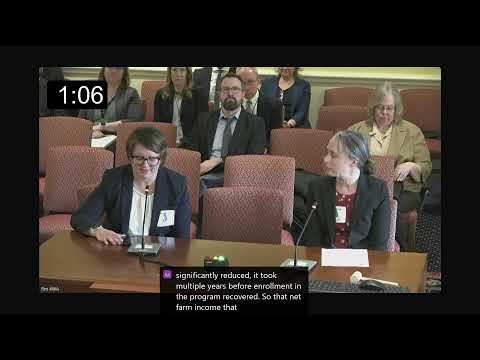
Motor Vehicle Administration representatives emphasized sharply improved customer service metrics and expanded digital options. MVA Administrator Chrissy Neiser said the administration lowered average branch wait times and increased alternative service delivery (myMVA self‑service accounts exceed 2 million users). She noted pilot and rollout work on the mobile driver's license and community outreach on knowledge testing, and reported near‑universal Real ID compliance for eligible customers: “we are very close to 99% real ID compliant,” Neiser said.
DLS recommended denying the BRFAA provision that would raise the maximum statutory fee recovery cap to 115% to avoid a cycle of raising then cutting fees; the analyst proposed instead a change requiring fee reductions only after two consecutive years above 100% cost recovery and asked MVA to submit cost‑recovery calculations as part of the department’s financial forecast. MVA disagreed with the recommendation and asked for more statutory flexibility, while offering to provide additional cost‑recovery data to DLS when requested.
Other notable operational details discussed at the hearing: - MVA reported a roughly 5% vacancy rate among roughly 1,700 employees and credited recent pay adjustments for improved hiring and retention. - Branch and contact‑center changes produced better service metrics: recent months saw 66% of customers wait less than five minutes and 96% under 20 minutes; about 49,000 customers received same‑day appointments in the most recent month cited. - MVA is implementing more transaction timing options: the agency has a new 3‑year registration option (deputy secretary said dealers requested a 3‑year option that matches common lease terms), retention of the 2‑year option, and online options to request 1‑year registrations without visiting a branch. - The BRFAA proposal to raise the VEEP fee from $14 to $30 is timed to July 1 in the draft BRFAA language; MVA said it would notify affected customers by the normal 60‑day mailing and email cycle if enacted.
The MVA also discussed a $13.2 million federal grant to modernize crash reporting and said it has continued to draw down reimbursable federal funds despite national uncertainty in some grant programs. Committee members pressed on bank/merchant fee trends and digital alternatives; McCollough noted that statewide procurement runs credit card services and the agency participates in that contract. MVA said it is monitoring private‑sector approaches to payment surcharges and is watching AI and interactive voice response enhancements to improve customer service.
Ending: The panel did not adopt policy changes at the hearing. DLS recommended denying the proposed statutory expansion to 115% cost recovery and adding reporting requirements; MVA asked the committee for flexibility and offered to provide additional data and briefings on cost recovery, VEEP fee timing and AI customer‑service pilots as negotiations continue.