Get Full Government Meeting Transcripts, Videos, & Alerts Forever!
Get email alerts on the Homeowners Associations topic
No spam. Unsubscribe anytime.
Committee advances HOA reform bill that caps closing-letter fees and requires dispute processes
Summary
House Bill 512 would require homeowners associations to offer alternative dispute resolution before liens, cap most closing‑letter fees at $250 with a $50 expedited fee, and require account statements be issued within 45 days of payment. The committee voted to pass the bill.
The House Regulated Industries Committee voted to advance House Bill 512, a measure intended to limit certain homeowners association (HOA) charges and require associations to offer alternative dispute resolution before placing liens on property.
Sponsor materials presented to the committee describe repeated homeowner complaints about large invoices tied to closing-letter requests, which can run hundreds of dollars. The bill would cap the fee for a standard closing letter at $250 if issued within 10 days, and allow an additional $50 for an expedited three‑day letter. It would also require associations to provide a statement confirming paid assessments within 45 days at no charge.
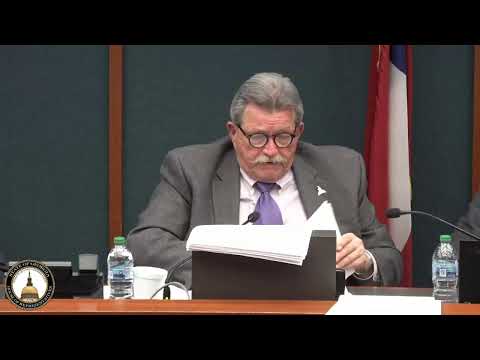
Representative Lewis Ward, who presented the bill to the committee, said the changes aim to give homeowners "peace and assurance" and to reduce instances where homeowners encounter unexpected charges when selling property. Committee members from both parties discussed past versions of similar legislation; presenters noted that an earlier bill with a lower cap had been vetoed by the governor and that the current fee levels reflect prior negotiations.
The bill also requires HOAs to establish or make available an alternative dispute resolution process before recording a lien for unpaid assessments. Committee discussion focused on scope and implementation; several members said the provision should increase transparency and reduce surprises for homeowners and mortgage closers.
After discussion and questions from committee members — including points about the level of detail required in a statement of account and whether the statutory changes would be unduly burdensome for associations — the committee voted the bill out by voice vote. The transcript records committee members saying "aye" and no roll-call tally.