Get Full Government Meeting Transcripts, Videos, & Alerts Forever!
Get email alerts on the Public Safety Pay topic
No spam. Unsubscribe anytime.
Indianola officers urge council to extend same COLA to nonunion supervisors
Summary
Multiple Indianola Police Department supervisors and officers told the City Council that a proposal to give union patrol officers a larger cost-of-living adjustment (COLA) than nonunion supervisors would harm morale, retention and promotions, and asked the council to align increases or adopt a resolution guaranteeing parity.
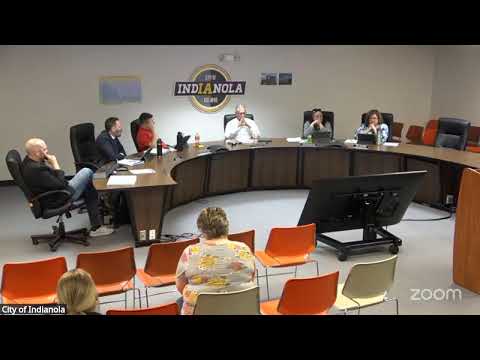
Dozens of Indianola police supervisors and officers used public comment at the March 3 City Council meeting to urge the council to extend the same cost-of-living adjustment to nonunion command staff as the city approved for union patrol officers.
The comments came as the council considers budget options for fiscal 2026, including COLA increases. Officers said a proposed plan to give patrol officers 6% while offering 3% or less to nonunion supervisors would shrink the pay gap that makes promotion worthwhile and risk losing supervisors and prospective leaders.
“The purpose of the City of Indianola compensation system is to support the recruitment, motivation, success, and retention of qualified and productive employees,” Interim Patrol Lieutenant Brad Metcalfe said, referencing the city handbook. “If you move forward with this current proposed cost of living, this will start to close those wage gaps. That will bring morale down.”
Operations Lieutenant Rick Largesse told the council that supervisors frequently respond to critical incidents at all hours and cited long careers and injuries sustained in service. “I've been punched, kicked, spit on, shot at, and injured to the point I required reconstructive surgery to return to work,” Largesse said. “As a department, we have improved by leaps and bounds over the last few years. And to watch you ruin what we've built with poor decision making is horrendous.”
Several speakers framed the issue as one of career development: officers said compressed pay between patrol and supervisory ranks would deter promotions and drive people to larger metro departments. Officer Nayan Baker described supervisors being contacted “11, 12 times” during a shift to advise officers, and said the extra duties and liabilities of supervisory roles require adequate compensation.
Sergeant Ty Sparks said the disparity “sends the signal that the city values leadership half as much as the officers we lead,” and cited a city study that Indianola needs 27 officers to serve the community effectively. “Leadership doesn't end when I clock out,” Sparks said. “I'm asking for fairness, align the COLA increase by police supervisors with union officers.”
Police Chief Sherry (identified in the transcript as the department chief) reiterated that the department had provided council members with the information needed and asked the council to consider the long-term effects on retention and morale.
The comments were part of a larger budget study session in which council members and staff discussed multiple potential cuts and revenue changes. No final COLA decision was recorded on March 3; councilmembers directed staff to continue developing budget options and scheduled further discussion at upcoming meetings.
Ending
Council members said they will continue budget work in coming weeks and requested additional numbers from staff. Several council members signaled openness to revisiting the COLA question, but no formal vote or final directive on changing the COLA allocations was recorded at the meeting.