Get email alerts on the Sign Code topic
No spam. Unsubscribe anytime.
Planning staff opens multi‑phase sign code overhaul; business survey planned
Summary
City planning staff introduced a multi-phase update to the sign code intended to modernize definitions, ensure content-neutral enforcement in light of recent case law, and improve administration; staff will run a business survey and return with draft phase‑1 amendments.
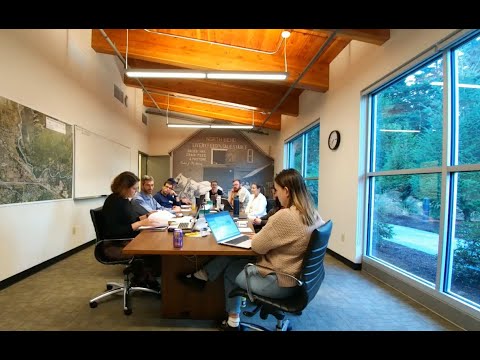
Planning staff gave the North Bend Planning Commission an introductory briefing on a multi-phase review of the city’s sign code on June 18, saying the goal is to modernize definitions, improve enforceability, and incorporate recent legal precedent.
A staff presenter described signs as varied in purpose and form, saying, "Signs generally serve a lot of different purposes. They inform and direct travelers to different points of interest. They help identify community events or businesses and local happenings." Staff said the existing code dates largely from 2006 and needs updates to reflect new sign types and recent legal decisions.
Why it matters: Sign rules affect businesses, downtown character, pedestrian circulation, and First Amendment limits on content-based regulation. Staff emphasized the need to balance business interests and pedestrian safety while making the code administrable for enforcement.
Project scope and schedule
Staff outlined a two-phase approach. Phase 1 will address sign definitions, exemptions, outright prohibitions, and permitting/enforcement processes. Phase 2 will address technical design standards: sizes, how many faces are allowed, where signs may be placed, and rules for temporary signs — the category that produces the most code-enforcement issues.
Staff provided three resources to commissioners: a legal memo summarizing precedent, a visual sign-type guide, and comparative tables showing how other jurisdictions handle prohibited and exempt signs. Staff said a business survey will be launched to gather input from merchants who are most affected by sign regulations, and they expect to bring Phase 1 drafts to commissioners in September and aim for final council adoption in January or February.
Legal context
Staff cited legal developments to explain limits on content-based sign regulation, referencing the 2015 U.S. Supreme Court decision (referred to in staff materials as "Reed versus Towneville, Arizona") and a 2022 case the presentation characterized as finding that location-based sign placement rules can be content neutral. Staff said the city will draft standards mindful of those precedents.
Comments from commissioners and businesses
Commissioners asked practical questions about enforcement and sidewalk obstruction from portable and A-frame signs. One commissioner observed that in parts of downtown with narrow sidewalks they must sometimes move sandwich-board signs while pushing a stroller; staff said the updated code could be clearer about placement standards and suggested photo examples and handouts for businesses after updates are adopted.
Staff also discussed nonconforming and historic signs, noting that downtown landmark signs may be treated separately (staff referenced an existing commercial historic landmark district and King County review for landmark signs).
Next steps
Staff will circulate the PowerPoint, launch the business survey, return with Phase 1 draft amendments for commissioner feedback, present to the Community and Economic Development committee, and continue into Phase 2 design topics. Staff asked commissioners to review the packet materials and supply comments in advance of the next meeting.
AI generated
The text on this page is AI generated. Summaries, highlights, analysis, and video transcripts are all produced from the original source material.
AI can make mistakes, so if you spot one, and we will fix it for everyone.
Note: the source content is unaltered by us. Any content source we link to, be it a video, an audio recording, or a document, is presented exactly as its publisher released it. That publisher is usually a government body, sometimes an individual official or another organisation.