Get Full Government Meeting Transcripts, Videos, & Alerts Forever!
Get email alerts on the Public Safety topic
No spam. Unsubscribe anytime.
Safety, traffic calming and fire‑service staffing emerge as top concerns in Livingston workshop
Summary
Residents at the Sept. 23 workshop identified public safety — including traffic calming, pedestrian safety and a fully staffed fire department — as priorities that underpin other community goals.
Public safety emerged as a recurrent theme during Livingston’s Sept. 23 visioning workshop, with participants connecting safety to recreation, downtown vitality and residents’ willingness to remain in the city.
Why it matters: Several tables and individual speakers said improved safety would help residents feel comfortable using public spaces and support long‑term economic and population growth.
Concerns raised included traffic speed on neighborhood streets, the need for traffic‑calming measures such as speed bumps or physical changes to road design, and fire‑department staffing. One participant recalled a nearby county decision to close a volunteer fire department and urged continued local staffing; another attendee described the yearlong effort required to install speed bumps on a neighborhood street and said the result improved safety for pets and children.
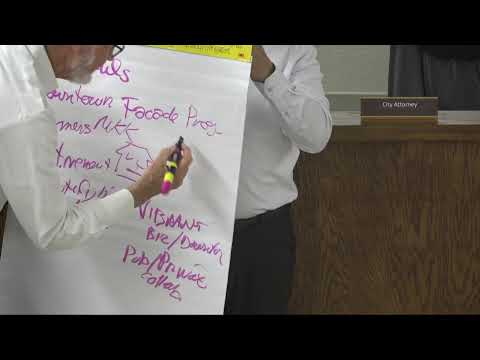
Table reports listed “fully staffed fire department” among top items to create a safe environment for families, next to events and safer walking infrastructure. Participants also suggested preventive street design measures rather than ad hoc enforcement as a sustainable approach. No formal direction or budget decision on emergency services or traffic infrastructure was made at the workshop.
City staff and elected officials present said the written worksheets would be used to inform future capital and safety planning; any changes to emergency‑service arrangements or traffic projects would require formal staff analysis, budgeting and, where applicable, intergovernmental coordination.