Get Full Government Meeting Transcripts, Videos, & Alerts Forever!
Get email alerts on the School Policy Updates topic
No spam. Unsubscribe anytime.
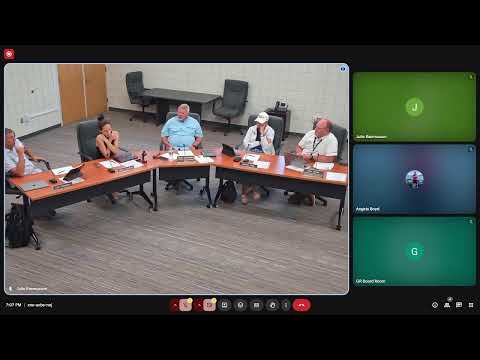
Board accepts first readings of multiple policies, discusses overdose-medication training
Summary
The board accepted first readings of several updated policies, including drug/alcohol/cannabis testing policy and a policy on overdose medication; board members discussed training, kit contents and staff readiness to administer emergency medication.
The Grand Rapids Public School District Board of Education accepted first readings and approvals of two groups of updated policies and amended one provision by voice vote.
On a motion moved by Ashley and seconded by Melissa, the board accepted statutory-reference changes in Policy 4.16 (drug, alcohol and cannabis testing), 6.13 (graduation requirements), 6.20 (credit for learning) and 6.24 (online learning options). A clerical correction — changing the word “case” to “cease” in a 4.16 bullet point (page 10, 3.e) — was proposed, the motion was amended and the amendment was approved by voice vote.
The board also accepted first-reading updates that included non-substantive legislative changes for several policies (Policy 2032 order of regular meetings; 4.14 mandated reporting; 4.18 drug-free school/workplace; 4.25 staff development and mentoring; 5.14 bullying prohibition; 5.15 protection of pupil records; 5.16 administering medicine to students; 5.16.5 overdose medication; 6.21 literacy; 707 transportation of public school students; 709 student transportation safety; 802 disposition of obsolete equipment). The board moved and seconded the package and approved it by voice vote.
Board members spent extended time on policy 5.16.5 (overdose medication), raising staff concerns about accidental exposure to residue and the need for clear training and designated responders. A board member noted that many of the medical-response tools are designed to be simple to use and that epinephrine delivery language was updated to reflect non-injectable nasal options; the superintendent and staff said training opportunities and spoken prompts built into many AED/kits help reduce hesitation in an emergency.
Board members asked whether training on administering overdose medication is provided and were told there is staff training; the district intends to follow up on specifics of kit contents and who is designated to respond at school sites. The discussion did not change the policy package approved on first reading.