Get Full Government Meeting Transcripts, Videos, & Alerts Forever!
Get email alerts on the Opioid Response Vending Machine topic
No spam. Unsubscribe anytime.
Cook County to pilot public-health vending machine; board debates temporary courthouse placement
Summary
Cook County will receive a public-health vending machine this week as part of a HRSA opioid-response grant pilot; the board debated a temporary placement "to the right of the elevator on the Second Floor of the courthouse" and flagged access and anonymity concerns.
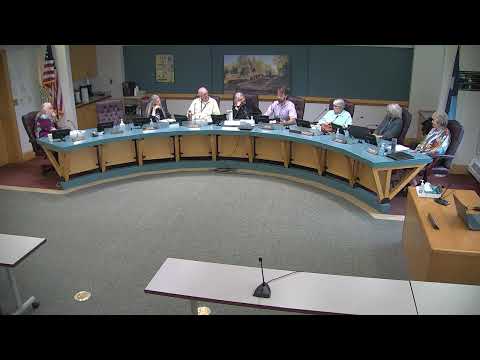
Cook County Public Health and Human Services staff said a public-health vending machine funded through the HRSA Rural Communities Opioid Response Grant will arrive this week and initially be placed "to the right of the elevator on the Second Floor of the courthouse." The announcement came during the board's July 15 meeting.
Grace Gennager, public health supervisor, told the board that the University of Minnesota purchased the machine and is paying for it directly as part of a regional HRSA grant consortium: "The vending machine was purchased directly from the University of Minnesota... the University of Minnesota is paying for everything directly." She also said the county's role includes receiving the machine, staff training, managing inventory and planning a community-engagement phase 2 to identify a more optimal long-term location.
Board members questioned the proposed temporary location. Commissioner Kemp said the courthouse second floor "is a bit problematic" because it lacks 24-hour access. Commissioner Gamble agreed, saying the upstairs location is "about as far from anonymous as putting it in the police station" and noting some users might be deterred by cameras. Commissioner White asked about machine capacity; a staff member replied it is a typical vending-machine size and could hold roughly 20 items.
PHHS staff described an initial supplies plan and funding constraints: the HRSA grant covered purchase of the machine and initial materials, but ongoing stocking and long-term site installation will require alternative funding. Gennager said there was "just over a thousand dollars" available to purchase supplies and indicated Andrea Ortiz would manage initial procurement. The agency also noted the machine is an indoor/outdoor model and could be sited outside if an appropriate, accessible location with power and security can be found.
Board members suggested interim alternatives such as smaller cabinets placed at community centers, fire halls or other public vestibules to expand access beyond Grand Marais. PHHS staff described the planned rollout as a "baby step" to get staff trained and systems in place before a broader community engagement process and permanent siting.
No formal vote or final permanent placement was decided at the meeting; the board directed staff to continue outreach, evaluate initial usage and report back as phase 2 planning proceeds.