Get Full Government Meeting Transcripts, Videos, & Alerts Forever!
Get email alerts on the Education topic
No spam. Unsubscribe anytime.
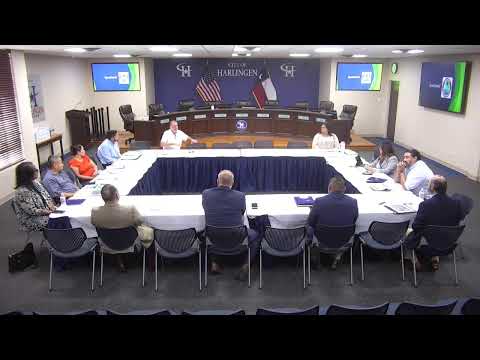
Nonprofit outlines plan for adult charter high schools in the Rio Grande Valley; asks board to consider start-up support
Summary
Representatives of the Possible (Dream/Beauty) Foundation presented a state-authorized plan to open adult charter high schools for people ages 18 to 50 who lack a high school diploma and asked the board to consider start-up support and local partnerships.
Representatives of a nonprofit identified in the meeting materials as the "Possible Dream Foundation" (presenters used a variant spelling during remarks) told the Harlingen Community Improvement Board they have received charter authorization from the Texas education agency to open adult charter high schools in the Rio Grande Valley this fall.
Daniel King, identified at the meeting as chairman of the foundation's board, said the schools will serve adults ages 18 to 50 who do not hold a high school diploma. King emphasized the program awards a high-school diploma (not a GED), requires students to earn standard credits and pass exit exams, and also requires industry-based certification aligned with local workforce needs. The foundation said it will provide wraparound services including academic coaching, success coaches, career coaching, mental-health referrals and tutoring to address barriers adult learners often face.
King said the foundation's charter authorizes an initial enrollment target of about 900 students and a five-year plan to reach larger scale; the foundation—xpects to grow to 1,800 students per year over time. He said the organization has applied to local funders for start-up support and is seeking funding for staff, training and wraparound positions (registrars, counselors and "success coaches") that the schools are required to provide. King said the foundation has been approved by the education agency after an application and capacity interview process.
At the meeting King said the foundation currently has roughly 50 applicants in the Harlingen area and that enrollment is open online through a QR code on the foundation's materials. He asked the board to consider public awareness assistance and possible start-up support; King said the foundation is pursuing a grant to the Valley Baptist Legacy Foundation and would seek additional local partnerships for industry-driven certification and job placement.
Board members asked about scheduling, documentation and services. King said the schools plan multiple sessions each day (morning, afternoon and evening) to accommodate work schedules, use assessments to place students in appropriate classes, and tailor tutoring and coaching to individual needs. The presentation was informational; the board did not take a vote on funding during the meeting.
Speakers at the presentation included Daniel King and other foundation board members listed by King (Julian Alvarez, Betsy Cantoon) and a school superintendent named Darcy Hoya, who King identified as the proposed superintendent for the initial site.