Get Full Government Meeting Transcripts, Videos, & Alerts Forever!
Get email alerts on the Housing Affordability Zoning topic
No spam. Unsubscribe anytime.
Panelists say zoning reform and $500 million housing bond must align to meet Columbus growth
Summary
Speakers urged pairing zoning modernization with a proposed $500 million affordable housing bond and other investments to create more housing across the city and region.
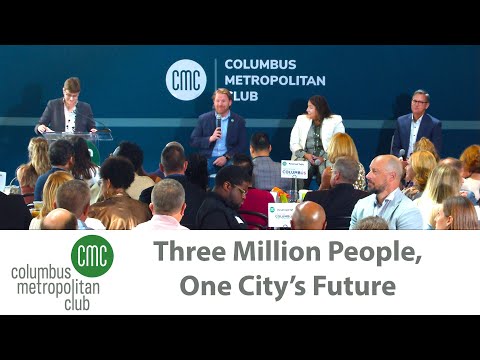
Columbus City Council President Shannon Harden and other panelists said the city must combine zoning changes, bond financing and regulatory reforms to expand housing supply as the region grows.
"We have a job to do when it went on the government side of reducing red tape and regulatory burdens and actually bringing investment," Harden said while discussing zoning modernization and an affordable housing bond proposed for the ballot. "We have a tremendous amount of, really engaged folks across this community right now that are intensely focused on this topic."
Why it matters: Panelists said a mismatch between job creation and housing production will push prices up and could concentrate poverty in neighborhoods that lack capacity for more low-income residents. They recommended accelerating zoning reforms and using local funds to leverage state, federal and private investment.
Harden described the zoning modernization effort (referred to as "zone in") as touching nearly half the city in its second phase. She also noted a $500,000,000 affordable-housing bond package planned for a fall ballot and said accessory-dwelling-unit reforms and reductions in red tape are being pursued to increase the range of housing types. "We've got more people right now in this space thinking thoughtfully around how do you leverage both local state and federal investment and also private investment in creating this housing," she said.
United Way's Michael Wilkos emphasized the scale of the task for lower-income households, citing a local affordability threshold and distributional effects: "If you are a 2 parent household with 2 children, the federal poverty rate is $30,000 for that family of 4. If you wanna make it in Franklin County, ... you need to make $45 an hour or $90,000 a year," he said, arguing that many existing jobs do not pay at those levels and that the region needs housing accessible to working families.
Preservation advocates in the audience asked how historic preservation fits with aggressive housing production. Panelists acknowledged inconsistent preservation protections across neighborhoods and said the city needs clearer guardrails to balance preservation and new housing.
No formal votes or city actions were taken during the panel; speakers urged coordinated policy action by council, county and private partners.