Get Full Government Meeting Transcripts, Videos, & Alerts Forever!
Get email alerts on the Municipal Finance topic
No spam. Unsubscribe anytime.
Ordinance 2294 would create capital equipment reserve and set 25% general fund reserve target
Summary
City staff presented proposed ordinance 2294 to establish a capital equipment reserve limited to 10% of city revenues for equipment and to set a general fund reserve target of 25% of expenditures, replacing older resolution language; staff said the change is aligned with peer municipalities and is intended to clarify permissible reserve uses.
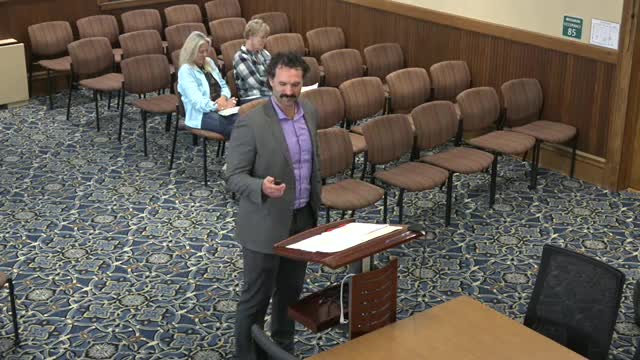
City Attorney Brad Timmish and City Treasurer Darla Hopkins presented proposed Ordinance 2294 at the July 14 study session, proposing changes to city code governing the capital equipment reserve and the general fund reserve.
Hopkins said the new capital equipment reserve would be limited to funds solely for maintenance, purchase or replacement of equipment and that the amount appropriated to the reserve in a fiscal year would not exceed 10 percent of the city's total revenues for that year. "This reserve will be maintained within the city's general fund," Hopkins said, and funds may be transferred to revenue accounts when equipment purchases are made.
On the general fund reserve, staff proposed setting the target balance at 25 percent of general fund expenditures and requiring that any transfer from the reserve that would reduce the balance below 25 percent be approved by the governing body and be for an emergency expenditure. Timmish explained that an ordinance supersedes a resolution, and staff recommended revoking Resolution 17‑14 to avoid conflicting rules.
Hopkins presented comparative figures and said that using a more representative expense number for fiscal 2026 (approximately $17.88 million) would place the city within the proposed 25 percent target and leave roughly $1.53 million above the target after adjustments she described. Council members asked about approval processes and whether the council should define what constitutes an emergency; one council member noted prior language listing weather‑related events as examples in the earlier resolution.
Timmish responded that the governing body retains discretion to determine emergency status. Hopkins said peer municipalities range between about 25 and 30 percent for reserves and that the proposed change is consistent with other Wyoming cities.
Ending: Staff recommended adoption of the ordinance language and revocation of the older resolution; council discussion focused on how to define emergency uses and on approval thresholds for equipment purchases funded from the equipment reserve. No formal vote was recorded during the study session.