Get Full Government Meeting Transcripts, Videos, & Alerts Forever!
Get email alerts on the Reentry Housing topic
No spam. Unsubscribe anytime.
AB 1229 would shift reentry rental assistance to HCD and refocus subsidies on permanent housing to reduce homelessness and recidivism
Summary
Assemblymember Schultz’s AB 1229 would move administration of the state’s Adult Reentry Grant Program from the Board of State and Community Corrections to HCD, prioritize permanent rental assistance tied to supportive services, and fund regional administrators to coordinate services for people exiting incarceration.
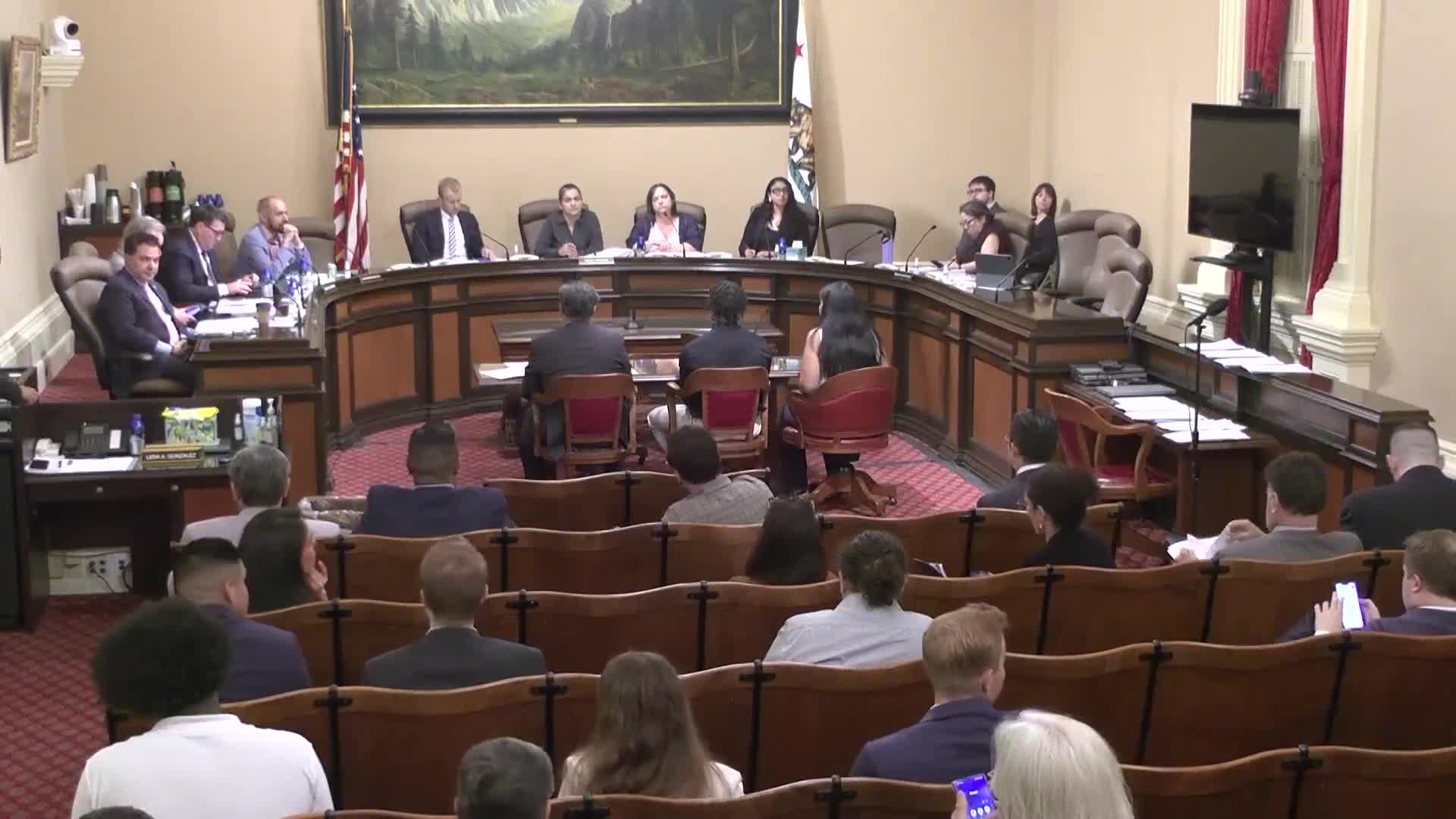
Assemblymember Schultz told the committee AB 1229 would restructure the state’s Adult Reentry Grant Program to better stabilize people leaving prison and thereby reduce homelessness and recidivism. The bill transfers program administration from the Board of State and Community Corrections (BSCC) to the Department of Housing and Community Development (HCD), prioritizes permanent rental assistance over temporary stays, and funds regional administrators who would coordinate housing and supportive services for participants.
Supporters pointed to evidence from outside and inside the U.S., including the Returning Home Ohio program and local pilots, to show that long‑term rental subsidies paired with coordinated services can keep formerly incarcerated people housed and reduce re‑arrest rates. Louis Brown Jr. of the Corporation for Supportive Housing and Natalie Spivak of Housing California testified in support, noting that national evaluations show substantially lower recidivism and higher housing retention when housing subsidies are coupled with services.
No lead opposition witness registered at the hearing; multiple community and county groups provided “me too” testimony in support, including San Francisco, county behavioral health groups, housing action advocates and the ACLU California Action. Committee members asked about program duration and the risk of indefinite dependency; witnesses said the bill includes a “moving on” process (assessments and metrics to encourage program participants to transition off subsidies when appropriate) and cited evidence that programs with this structure do not keep people enrolled long‑term—the returning home program participants typically moved on within about two years.
The bill also requires CDCR (California Department of Corrections and Rehabilitation) to engage with incarcerated people at least 210 days before release to assess risk of homelessness and connect them to services. Sponsors said the change would leverage HCD’s rental‑assistance expertise and align reentry housing support with other state programs such as Homekey or housing trust funds.
Outcome: The committee voted to send AB 1229 to the next committee (public safety) with bipartisan support; sponsors said they would continue technical work with county and service provider stakeholders.