Get Full Government Meeting Transcripts, Videos, & Alerts Forever!
Get email alerts on the Enforcement Housing Law topic
No spam. Unsubscribe anytime.
AB 712 would extend Housing Accountability Act‑style penalties to other housing laws; cities raise concerns
Summary
AB 712 would apply the enforcement framework and minimum penalties used in the Housing Accountability Act to other state housing laws, including attorney's‑fee awards and unit‑based fines. League of Cities and special districts urged amendments; sponsors added a 60‑day cure period in response to concerns.
Assemblymember Wicks presented AB 712 as a step to make California housing laws easier to enforce by applying the enforcement tools used in the Housing Accountability Act (HAA) to other housing statutes. Wicks said many state housing laws lack effective remedies, meaning developers rarely sue to enforce their rights because litigation is costly, discouraging enforcement and enabling repeated violations.
AB 712 would impose minimum fines tied to a project’s size (the bill proposes a $10,000 minimum per housing unit for most projects and $50,000 minimum per violation for projects of four units or fewer) and provide prevailing applicants with attorney’s fees and costs, mirroring remedies in HAA. The bill also would bar local agencies from requiring applicants to indemnify local governments against enforcement suits and would permit increased fines for repeat violations.
Opponents including the League of California Cities and the California Special Districts Association expressed concern about the measure’s breadth and possible impacts on smaller local governments and entities that are not land‑use authorities. They asked for tightening of definitions and clearer limits. Supporters — including the California Building Industry Association — said stronger remedies encourage compliance and would incentivize agencies to follow state housing law.
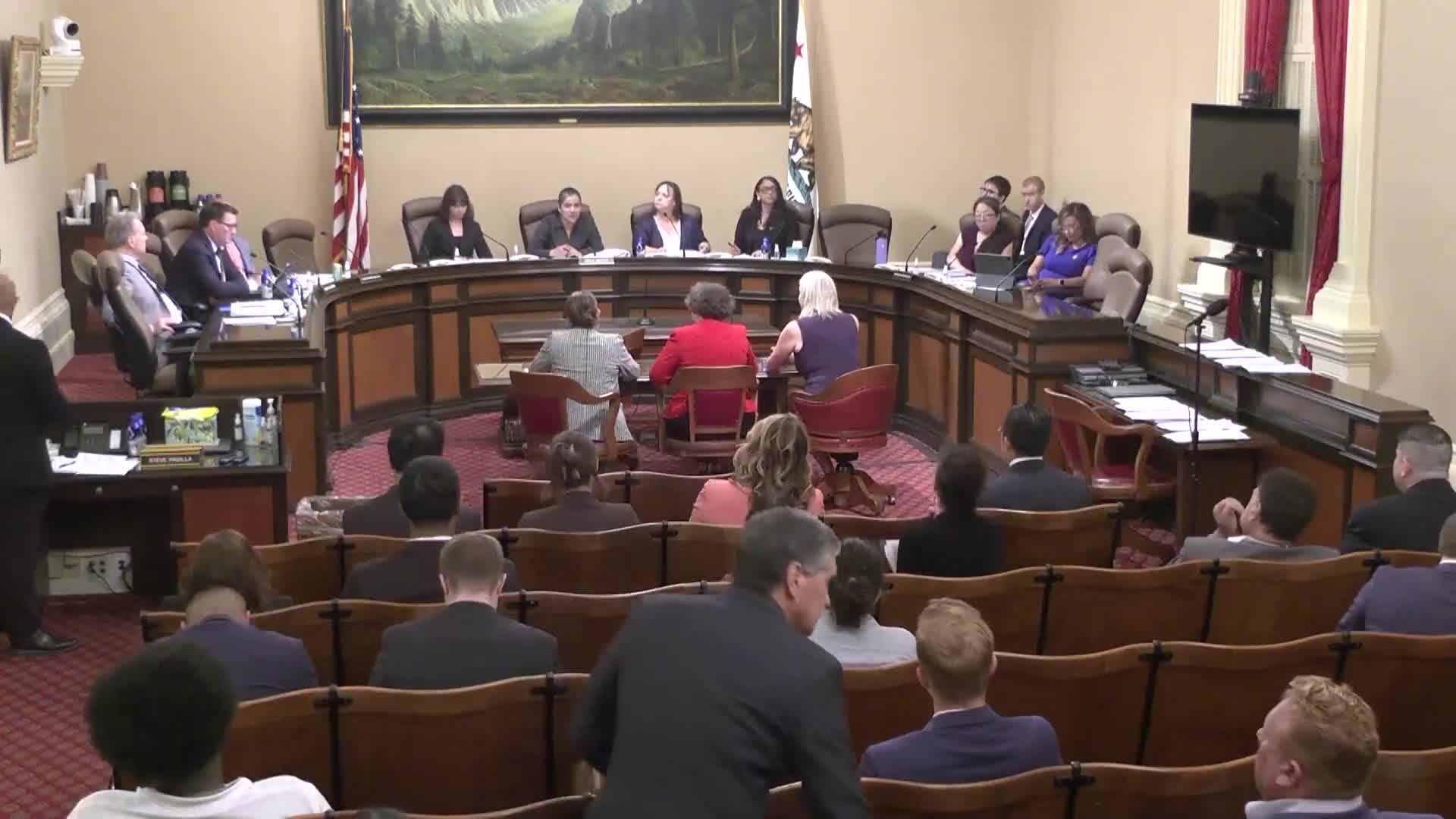
Committee amendments discussed during the hearing added protections described by the author’s office: a written notice and a 60‑day right to cure in some circumstances when HCD or the Attorney General notifies a local agency of a potential violation; removal of some intent language; and continued negotiation with local governments to refine scope. Committee members asked whether the bill unduly exposed smaller jurisdictions to litigation risk; the author said the intent is to target bad actors who repeatedly fail to comply, not to penalize jurisdictions trying to implement complex laws.
Outcome: The committee advanced AB 712 as amended; opponents noted remaining concerns and said they would continue negotiations on technical language.