
Legislature sets timeline for 2026 budget process, schedules department hearings and sets amendment deadline
Get AI-powered insights, summaries, and transcripts
Subscribe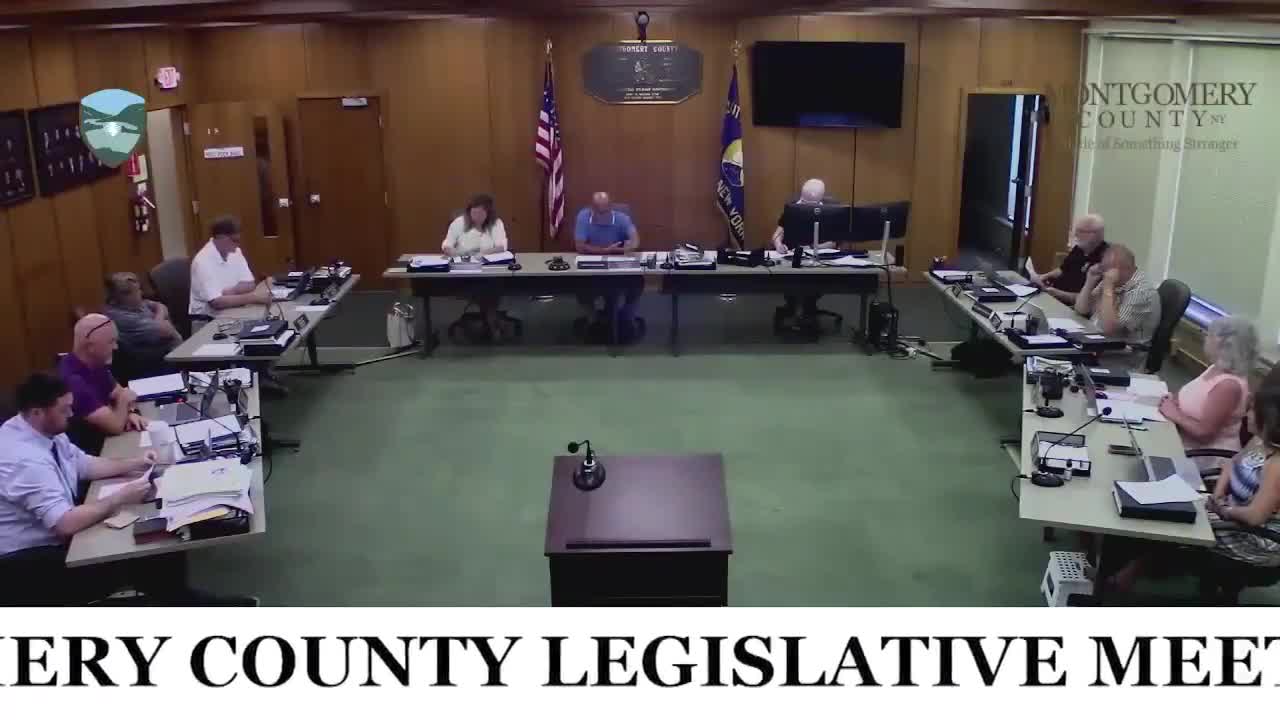
Summary
The Montgomery County Legislature established timing and a sequence of department hearings and budget process milestones for the 2026 operating budget, including a meeting with the county executive and treasurer on Oct. 14, an amendments deadline of Oct. 17 and a planned budget adoption date of Nov. 3.
The Montgomery County Legislature on June 24 set key dates and a framework for the 2026 budget process, directing staff and departments to prepare for scheduled departmental hearings and an early review with county leadership.
The legislature agreed that County Executive and Treasurer will meet with the full legislature on Oct. 14 for a preliminary review; legislators must submit proposed budget changes to the clerk by Friday, Oct. 17. The transcript records a plan for two evenings of departmental presentations in late October (the record refers to those nights as the "20 first" and "20 second"), with a second public hearing on Oct. 28 and a target date to adopt the budget on Monday, Nov. 3.
Why it matters: Those dates set the public-review and internal committee schedule that will determine whether department funding requests are incorporated, modified or denied. The schedule also affects when legislators must circulate amendments and whether public hearings and straw votes will occur before final adoption.
What was decided and next steps: - Oct. 14: County executive and treasurer to present preliminary budget to legislators (first review). The meeting was referenced as the night the majority will see the proposal for the first time. - Oct. 17: Deadline for legislators to submit proposed changes to the clerk (recorded in the meeting as a firm internal deadline). - Late October: Two evenings of departmental hearings were scheduled (in the transcript termed the "20 first" and "20 second"); the legislature agreed to use the first night for committees plus certain departments (personnel and sheriff singled out) and use the second night for major departments (public health, DSS and DPW) with a 5 p.m. start as needed. - Oct. 28: Second public hearing (transcript identifies the date explicitly). - Nov. 3 (Monday): Target date to adopt the budget (legislators agreed to attempt adoption the week before the election rather than on Election Day).
Legislators and staff discussed logistics including committee meeting timing, whether to permit straw votes on certain nights, the need to allow departments time to prepare materials (year-to-date worksheets and prior-year comparisons) and workshops between the executive and a small group of legislators during August or late July to set budget parameters (sales-tax projections, fund-balance use, and tax-cap considerations). The clerk and executive's office were assigned follow-up tasks to distribute the schedule and provide department materials in advance.
Ending: The legislature recorded the schedule and assigned follow-up tasks; several legislators requested that department materials include year-to-date figures and prior-year comparisons ahead of hearings.