Get Full Government Meeting Transcripts, Videos, & Alerts Forever!
Get email alerts on the Reentry Housing topic
No spam. Unsubscribe anytime.
Alvis using master leases to create longer-term recovery housing for reentry clients
Summary
In response to housing shortages for people leaving incarceration, Alvis said it has used master leases on large apartment properties to provide longer-term recovery housing and to help reunite families.
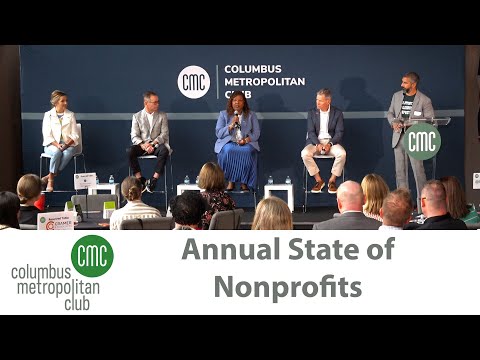
A question from the audience about housing for the reentry population prompted a detailed response from Denise Robinson, president and CEO of Alvis, about the nonprofit's housing strategy.
Brian Urbanski of the Aubrey Affordable Housing Foundation asked how Alvis helps people transitioning from incarceration secure stable housing. Robinson said Alvis has begun “doing master leases of major of large apartments. And we turn them into recovery housing so people can be there, but they can be there not just for a month or 2 or for 3 or 4 months like in our halfway houses, but it can be longer term.” She added that the organization is working with developers and landlords to change the narrative about renting to people with criminal records and to expand options for reunification with family.
Why it matters: lack of stable housing was described as a key barrier to successful reentry and to the long-term success of rehabilitation programs. Robinson acknowledged that master leases are not a full solution but said they are one practical approach being used locally.
Ending: Robinson urged continued community collaboration with developers and landlords to expand housing options for people leaving correctional settings; no new contracts or funding commitments were announced at the forum.