Get Full Government Meeting Transcripts, Videos, & Alerts Forever!
Get email alerts on the Nonprofit Funding topic
No spam. Unsubscribe anytime.
Nonprofits warn federal funding shifts, policy moves threaten local services
Summary
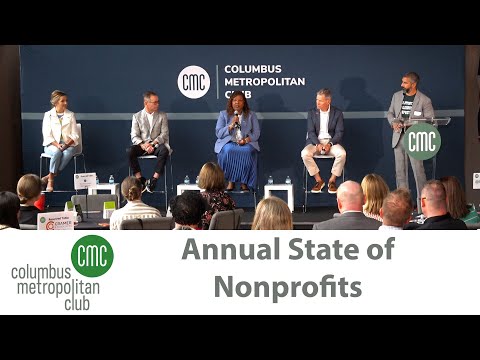
Panelists at a Columbus Metropolitan Club forum said nonprofits face growing uncertainty from proposed federal grant cuts, agency rollbacks and changing philanthropic patterns, even as local funders and businesses consider stepped-up support.
Leaders of Columbus-area nonprofits told a Columbus Metropolitan Club forum on the National Veterans Memorial and Museum stage that federal and state policy changes, shrinking government grant streams and shifting philanthropic behavior are creating an unusually unstable operating environment for social-service and cultural organizations.
Dan Sharp, senior leader at The Columbus Foundation, cited new national data showing broad giving growth while warning the local sector still faces structural threats: “592,500,000,000.0 went to US charities in 2024. That's a 6.3% increase in current dollars, a new high,” he said, then added that recent shifts in federal policy and appropriations are creating large new risks for nonprofits.
Michael Kory, executive director of the Human Service Chamber of Central Ohio and moderator of the discussion, summarized the mood in the room: “58 say it's bad or worse than bad. 42% say it's fair.” He also described the human toll of the uncertainty: “If you talk to a nonprofit, anybody right now, the first thing you're gonna get them to say is, oh, I am tired. I'm tired. I'm tired.”
Why it matters: panelists warned that changes in Washington and at state capitals could remove or restrict billions of dollars currently routed through grants and federal programs that support nonprofits' core missions. The panel identified several separate pressure points: proposed cuts to active federal grants, restructuring or elimination of federal agencies and programs, executive orders affecting diversity, equity and inclusion work, and large-scale budget reconciliation proposals that would reduce Medicaid and SNAP funding.
Panelists recounted concrete local effects. Tom Schmidt, president and CEO of the Columbus Zoo and Aquarium, said his institution receives targeted federal grants for conservation work and is watching those funding lines closely, noting that losing those grants would “have an impact on elephant sustainability and conservation of species.” Denise Robinson, president and CEO of Alvis, described scenario planning inside her $50 million organization and the cost questions that worry service providers and their staffs.
Local philanthropic responses and calls for advocacy were part of the discussion. Sharp said The Columbus Foundation has, for the first time in its history, used organizational reserves to increase strategic grant making. Panelists urged the local private sector to pair continued philanthropy with advocacy in Columbus and Washington to preserve grants and program eligibility that nonprofits rely on. "We need your advocacy in Washington and Columbus," Kory said, calling business and civic leaders into action.
Panelists also emphasized that donors increasingly want outcome data. Several said the post‑COVID rise in flexible, general operating support has largely receded, returning funders to more restricted, program-specific giving — a trend that increases administrative strain on organizations.
The forum closed with panelists asking business leaders to contribute not only money, but time, board service and public advocacy. The conversation did not produce formal votes or policy actions; it was a public forum of sector leaders sharing assessments and strategies.
Ending: Speakers encouraged continued local collaboration, data-driven fundraising and corporate advocacy to protect grant streams and maintain services in Central Ohio.