Get Full Government Meeting Transcripts, Videos, & Alerts Forever!
Get email alerts on the Immigration Enforcement topic
No spam. Unsubscribe anytime.
Pico Rivera council unanimously authorizes joining Los Angeles lawsuit over federal immigration enforcement; discusses local legal defense fund
Summary
The Pico Rivera City Council voted unanimously June 24 to authorize the city attorney to join litigation to challenge federal immigration-enforcement tactics. Council members and outside speakers described aggressive, sometimes unmarked enforcement activity and discussed a proposed local legal defense fund and other community protections.
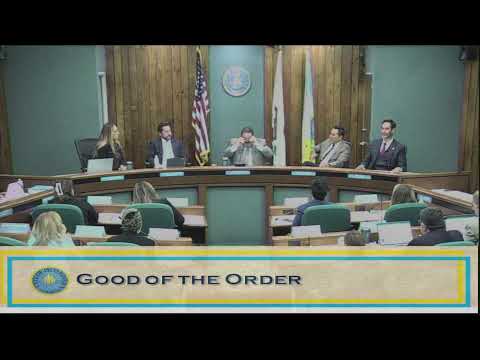
The Pico Rivera City Council voted unanimously June 24 to authorize the city attorney’s office to join a lawsuit that the City of Los Angeles intends to file challenging federal immigration enforcement tactics, including operations by U.S. Immigration and Customs Enforcement (ICE).
Mayor Garcia made the motion asking the city attorney to “take all the necessary steps to join in this litigation,” and the measure passed on a 5-0 roll call. Council members who voted yes were Council member Lara, Council member Lutz, Council member Dr. Sanchez, Mayor Pro Tem Camacho and Mayor Garcia.
The vote followed a detailed presentation and public comment about recent enforcement activity in Pico Rivera and the wider Los Angeles region. City Manager Steve Carmona told the council that ICE agents had been active in the city in recent days and that a small number of residents were detained, including a resident, Adrian Martinez, who Carmona said is a U.S. citizen; Carmona said Martinez was released and now has legal representation. Carmona reported two subsequent community protests that he described as peaceful and said the city had posted multilingual resources and set up a secure video upload portal for residents to share footage.
Immigration attorney Juliana Garcia (identified in the meeting as Juliana Garcia) gave a 40‑minute presentation to the council on how federal agencies operate, what enforcement tactics attorneys are seeing in Southern California and practical steps residents and small businesses can take if enforcement appears. Garcia described the use of unmarked vehicles, officers who do not display identification, and workplace and public-space arrests that, she said, often hinge on “reasonable suspicion.” She described several legal tools and remedies—forms such as the I-213 and motions to suppress evidence in court—and urged residents to prepare caregiver affidavits, retain attorney contact information and, when possible, avoid interfering physically with enforcement activity while documenting it.
Edgar Ortiz, economic justice policy manager at the California Immigrant Policy Center, urged the council to proceed with the proposed legal assistance fund but to revisit proposed carve‑outs so the city’s program aligns with Long Beach, Los Angeles and Los Angeles County programs. Ortiz said detention of a household member can cause large drops in household earnings and asked council members to treat the fund as “a start, not the end” of city action.
Council members debated additional local measures the city might pursue. Several members asked staff to work with the Chamber of Commerce and local businesses on signage and private‑property notices advising that ICE administrative documents (for example, I‑200/I‑205 forms) do not constitute judicial warrants. Council member Laura urged distribution of “know‑your‑rights” cards at city events. Mayor Pro Tem Camacho and others discussed limits to local authority over federal agents and asked staff, the city attorney and the sheriff’s office to outline enforcement options and next steps. City Attorney Rick (last name not specified in the meeting) was reported to have begun outreach to partner cities and the chamber.
No council member opposed joining the litigation. The council did not adopt a final ordinance or resolution on the legal defense fund at the June 24 meeting; speakers asked staff to return with details, eligibility rules and legal review. City staff and several council members said they would return with draft language, outreach plans for small businesses, and coordination steps with community legal providers and nonprofit bond funds.
The council’s action was taken openly after a closed‑session briefing; the clerk reported that closed session included a public‑employee evaluation and conference with legal counsel regarding anticipated litigation under California Government Code sections 54957(b)(1) and 54956.9(d)(4).
What the council approved
- Authorization for the city attorney to join litigation being filed by the City of Los Angeles against the federal government and related parties to challenge enforcement tactics used by ICE and related agencies. The motion passed unanimously (5-0).
Follow-up the council requested
- Legal staff to draft proposed language and eligibility criteria for a local legal assistance fund and return to council for review. - Coordination with the Police/Sheriff’s Department and Chamber of Commerce on business guidance and signage explaining private‑property rights and the difference between administrative immigration forms and judicial warrants. - Continued dissemination of multilingual “know‑your‑rights” materials and online resources for residents to locate detained family members and to submit footage securely.
Ending note
Council members and presenters repeatedly emphasized that joining the litigation was intended to seek greater accountability and oversight of federal enforcement tactics; the council’s vote does not itself change federal practice but authorizes the city attorney to pursue litigation coordination and related legal avenues.