Get Full Government Meeting Transcripts, Videos, & Alerts Forever!
Get email alerts on the Wildlife Management Geese topic
No spam. Unsubscribe anytime.
Residents urge Bayonne to cancel USDA contract after reports of Canada geese gassing; city staff say they will review alternatives
Summary
Residents and animal‑welfare advocates told the Bayonne council on June 18 they oppose reported USDA lethal removals of Canada geese on city property and urged the city to cancel or limit the contract and pursue nonlethal alternatives.
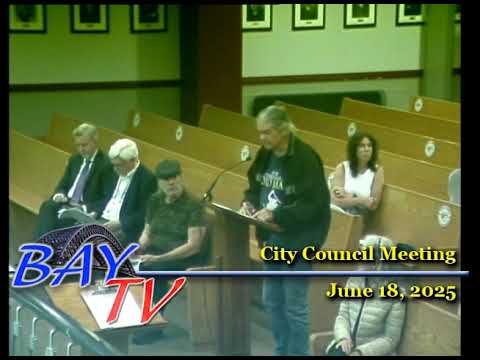
Scores of residents and animal‑welfare advocates used the June 18 public‑comment period to urge the City of Bayonne to stop allowing lethal removal of Canada geese on city property and to work with advocacy groups on nonlethal methods.
Speakers including Pamela Sturt and Doreen Grama (identified in the record as representing the Bridal Protection League of New Jersey) described multiple lethal removals by USDA Wildlife Services on Bayonne parks between 2020 and 2024 and called on city officials to cancel or restrict the USDA contract and to pilot habitat‑modification or other nonlethal approaches.
Doreen Grama told the council she had documentation she said showed 316 geese were gassed to death on Bayonne properties from 2020 to 2024. She urged city officials Tom Cotter and Jacqueline McNulty to "cancel the lethal methods of the USDA and work with Bridal Protection League to implement nonlethal methods." Pamela Sturt said many municipalities have moved to nonlethal management and that lethal removal is costly and recurring: "it's a 1 time expense as opposed to having to pay the USDA every year."
Council and staff responses When asked to explain why the city appeared to allow enforcement or removal activity, staff clarified that USDA Wildlife Services performed the lethal removals on city properties under agreements approved by Bayonne, and that the city does not itself gas animals. A city representative acknowledged seeing a Freedom of Information Act report that listed Tom Cotter as having signed the USDA agreement and confirmed the city had received a new USDA contract signed January 16, 2025.
A parks/operations official (speaking from the dais) told residents the city had used nonlethal approaches in other contexts — citing private companies that employ deterrents and habitat modification — and said the city would look into alternatives. That official said they would attempt to review the options and indicated they would try to implement changes if possible, but they did not commit to a specific timeline for removing lethal methods for the 2025 season.
What residents asked for Speakers asked the council and staff to: - Cancel the USDA lethal‑removal contract or remove lethal methods from it. - Meet with advocacy groups (Bridal Protection League and local APL wildlife mitigation teams) to pilot habitat‑modification alternatives. - Provide public documentation and FOIA records detailing the scope of past lethal removals, dates and locations.
What the record shows - Public commenters reported numbers and locations of lethal removals and provided materials to the clerk. Doreen Grama said the locations and counts were: Avenue A (96 geese), Thomas D. Domenico Park (75), Dennis P. Collins Park (40), Veterans Park (105); she summarized those counts as totaling 316 geese gassed to death from 2020 to 2024. - The transcript records a city official saying she had seen the FOIA report listing Tom Cotter's name on the USDA agreement and that a new contract was signed January 16, 2025; she said she would "try my best" to see if changes could be implemented for this year but did not guarantee it.
Ending Speakers left documentation with the council and urged the city to pursue nonlethal, habitat‑based alternatives. City staff indicated they will review the county/city records and the contract documents and follow up; the city did not record an immediate vote or an ordinance to end lethal methods during the June 18 meeting.