Get Full Government Meeting Transcripts, Videos, & Alerts Forever!
Get email alerts on the Finance topic
No spam. Unsubscribe anytime.
Council raises county impact fees for first time since 1999 in 12‑1 vote
Summary
Council approved Ordinance 25‑045 updating New Castle County impact fees after debate over housing affordability and infrastructure funding. The measure passed 12‑1; supporters said fees were long overdue and fund police, fire and parks; opponents warned it would raise homeownership costs.
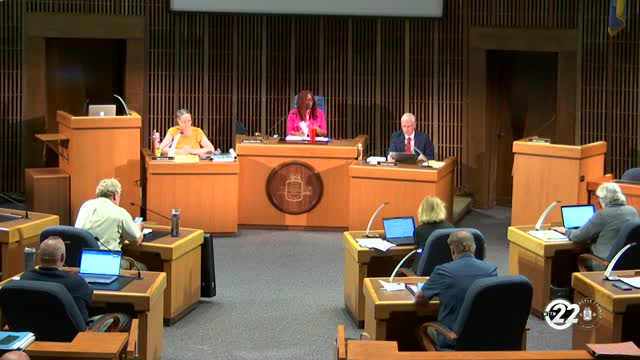
New Castle County Council voted 12‑1 on June 24 to adopt Ordinance 25‑045, updating the county’s impact‑fee schedule for the first time since 1999. The ordinance increases developer‑facing impact fees the county charges new development to cover proportionate shares of infrastructure and public‑service costs.
Councilwoman Kendra Durham introduced the ordinance and said the change is intended to align fees with current service costs and to make new development pay its share of the burden for fire, police, parks and other county services. She said the county’s impact fees have not been adjusted in decades and that residents across the county are already paying for service increases through other means.
The ordinance, as presented to council, exempts workforce dwelling units and includes language seeking future study of whether costs for services in higher rural state‑strategy areas differ from other locations; the discussion referenced a Rossi report and the county’s 2050 comprehensive plan.
Debate was robust. Councilman Jay Street opposed the ordinance, saying it raises housing costs on buyers and risks pricing people out of the market. “I can’t support it because developers are not paying the cost. New homeowners are paying the cost,” Street said, adding that he was concerned about affordability and additional cost burdens on buyers.
Supporters said the fee update is a necessary component of broader efforts to guide growth and pay for infrastructure. Councilman Koneko (Kaneko) said the county has not updated fees since 1999 and that other counties have kept pace. Councilman Carter and others noted the fee impact on a typical mortgage would be modest: Councilman Carter referenced published commentary that claims the increase would amount to “less than $600” per home when amortized over a 30‑year mortgage.
After public comment and further council remarks, the clerk called roll. The final vote was 12 yes, 1 no (Councilman Street). Council members who voted yes cited the planning department and department of land use recommendations, the need to fund firefighting, paramedic and park services, and the expectation that updated fees will reduce the county’s reliance on other revenue sources.
What the ordinance does and next steps: The ordinance updates the unified development code (UDC) Article 14 on impact fees and directs the Department of Land Use to implement the new fee schedule. It also preserves an exemption for specified workforce dwelling units and asks staff to study certain rural cost differences during their next fee study. Implementation details and fee amounts were included in the ordinance and supporting materials available to council; the county executive will sign the ordinance for it to become effective and for the finance and billing cycle to reflect the changes.
Speakers quoted above spoke during the June 24 meeting’s ordinance and public‑comment discussions.