Get Full Government Meeting Transcripts, Videos, & Alerts Forever!
Get email alerts on the School Safety topic
No spam. Unsubscribe anytime.
District updates on SAFE grants, panic‑alert buttons and vulnerability assessment as trustees weigh safety projects
Summary
Administration presented use of SAFE cycle funds and safety projects, including a lower-cost panic-alert button system and fence/visibility work; trustees were told cycle‑1 funds were available and both cycle‑1 and cycle‑2 deadlines were extended to 2027; staff recommended submitting projects to TEA for approval and coordinating with police for
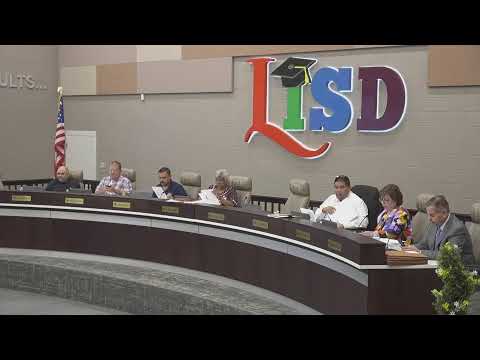
At the June 5 meeting, administration reviewed proposed safety projects funded through the Texas SAFE program (cycle 1 and cycle 2), including fence work, perimeter security and a silent panic-alert-button system. Facilities and safety staff told trustees that SAFE deadlines had been extended to 2027 and that cycle 2 funding increased in amount during the extension.
Doctor Perez and other staff explained that some projects had been underway and purchases (for example, radios) were already made from earlier allocations and the items in the packet reflect final balances. Perez said that cycle‑1 funds were available now and that the proposed panic-alert solution from Raptor was materially less expensive than vendors previously discussed, which made the panic‑button system a viable option. Perez said projects must be submitted to the Texas Education Agency for approval because of allowable-cost rules.
Trustees asked for a coordinated plan that aligns facilities work, district safety recommendations and police enforcement to make sure proposed measures are operationally effective. Several trustees emphasized the need to prioritize projects that the vulnerability assessment identified as immediate needs (such as door hardware and reporting requirements) and asked staff to present a prioritized list and the related cost estimates for the regular-board meeting.
Administration also briefed trustees on the TEA district vulnerability assessment preliminary report and said further communication and a remediation timeline would be provided. Trustees requested a list of vulnerability-assessment items, deadlines and estimated costs so the board can prioritize expenditures from SAFE funds and other capital balances.