Get Full Government Meeting Transcripts, Videos, & Alerts Forever!
Get email alerts on the Opioid Settlement topic
No spam. Unsubscribe anytime.
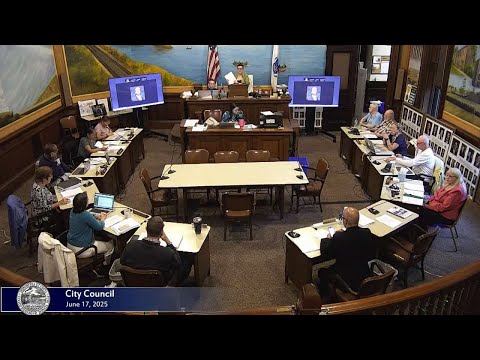
Residents urge Holyoke City Council to act on $1.2 million in opioid settlement funds
Summary
Dozens of residents, recovery advocates and people with lived experience urged the Holyoke City Council on Tuesday to begin using the city—s opioid settlement (abatement) funds, which speakers said currently total about $1,200,000.
Dozens of residents, recovery advocates and people with lived experience urged the Holyoke City Council on Tuesday to begin using the city—s opioid settlement (abatement) funds, which speakers said currently total about $1,200,000.
The public comments came during the council—s allotted public-comment period before the evening—s business items, and speakers urged next week—s Finance Committee meeting and the mayor—s office to accelerate planning and include people directly affected by opioid use in decisions.
—Tonight, I—m here as a Holyoke resident to speak about the critical importance of our opioid settlement dollars,— Taylor McAndrew said. McAndrew identified themself as a public-health professional and said local government should "center lived experience" in deciding how to spend funds.
Speakers listed three recurring priorities: center people with lived and living experience in advisory and funding decisions; maintain ongoing public communication about planning and spending; and prioritize treatment, recovery, harm reduction and prevention.
—This $1,200,000 is just sitting there unused and has been for years,— Bridget Kearney told the council, adding that some residents and local organizations are ready to help the city develop programs. Kearney and other speakers said the funds will grow to roughly $3.6 million through 2039 under the settlements and that the money is secure funding the city should not overlook.
Several speakers described programs and services they said could be funded, including administrative support, connection-to-care work, criminal-justice supports, family supports, harm-reduction supplies and opioid-use-disorder treatment and recovery supports. Paul Alves, who said he runs a small local nonprofit, highlighted recovery principles such as trauma-informed, peer-led and person-driven services.
Some speakers recounted local response activity: Pedro Alvarez, a Tapestry staff member, said 483 opioid-related 911 calls occurred in Holyoke during a recent three-month period, and that nearly 3,000 naloxone kits had been distributed by Holyoke staff in recent periods. He also said the city did not appear to have hired a fiscal agent or engaged people in recovery or subject-matter experts.
Several speakers described models from nearby communities. Sarah Hearn (identified in the record as from Greenfield), described Greenfield—s 05/21/2025 ordinance that created an opioid use and prevention commission with seats for people with lived and living experience and said that commission includes compensated roles and authority over abatement money. Hearn said the structure changed who sat at budgeting decisions and created a path for people directly affected to evaluate outcomes.
Council members acknowledged the public comments and noted the topic is scheduled for the Finance Committee next week. Council President Tessa Murphy Ramboletti reminded the public that the council will hold additional hearings on fiscal-year decisions before the council—s budget vote.
Ending: Speakers asked the city to use the settlement funds for programs that do not rely solely on policing, to make decisions transparently, and to involve those with direct experience of opioid use in program design and oversight. No formal council action on the funds was recorded during Tuesday—s meeting; Council members said follow-up work will be handled in committee and by the mayor—s office.