Get Full Government Meeting Transcripts, Videos, & Alerts Forever!
Get email alerts on the Transit Finance Audit topic
No spam. Unsubscribe anytime.
Metro Transit gets clean 2024 audit; commissioners discuss ARPA use, reserves and ridership gains
Summary
Baker Tilly gave Metro Transit an unmodified audit opinion for 2024. Commissioners discussed use of ARPA and other COVID-era funds, a reserve increase, rising fixed-route ridership and implications for future budgeting at the June 19 Waukesha City Transit Commission meeting.
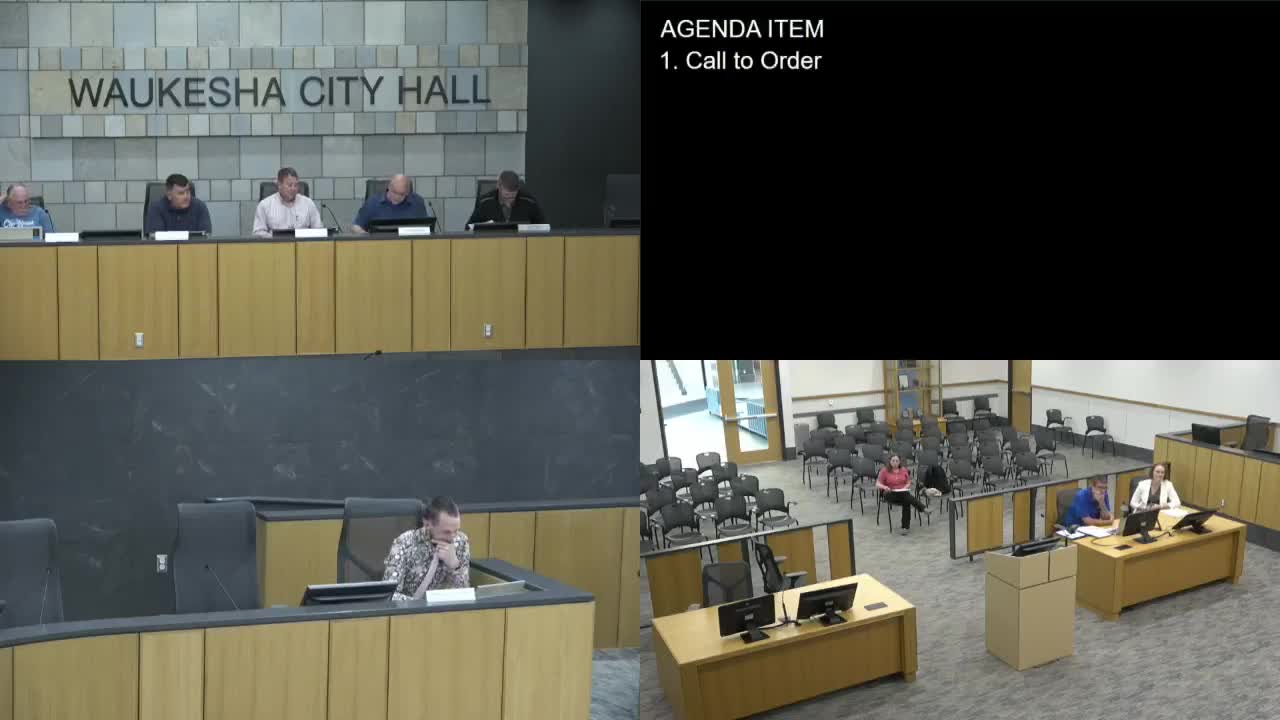
The Waukesha City Transit Commission received an unmodified audit opinion on Metro Transit's 2024 financial statements and discussed the use of federal relief funds, growing cash reserves and ridership trends at its June 19 meeting.
Jody Dobson, partner at Baker Tilly, told commissioners the 2024 financial statements received "a clean or an unmodified audit opinion," and that auditors issued the required AICPA communications with no material entries or corrections. Dobson said there were no findings related to federal grants in the single-audit testing performed at the citywide level.
The audit findings matter because Metro is using federal relief funds to reduce the local share of operations and build reserve capacity for upcoming capital needs, including bus replacements. Commissioners pressed staff on how long the relief funds can be used and how the transit fund accounts for depreciation and debt.
Dobson summarized key financial highlights from the statements: fixed-route ridership rose (approaching roughly 500,000 passenger trips), operating revenues were up slightly year over year, and total operating expenses decreased modestly, with most of the reduction in purchased transportation after the Milwaukee County Transit System (MCTS) route ceased. She said Metro had increased a segregated reserve line in pooled cash from $190,000 in 2023 to $690,000 in 2024 to give the system more flexibility for unexpected costs.
Commissioners and staff discussed the mechanics and limits of federal relief funding. Brian, a transit staff member, said the remaining American Rescue Plan Act (ARPA) balance at the end of last year was $1.2 million and that the total of COVID-related funds (including CARES and CRRSAA-related dollars) on hand at that time was about $3.6 million. "That gives you some flexibility in a future year if there were to be some unexpected costs," Dobson said when describing the larger pooled reserve and its purpose.
Commissioners asked about the reported $283,731 negative change in net assets for 2024. Dobson and staff explained that depreciation (about $1.5 million) is a noncash expense that reduces change in net assets but does not reflect a cash outflow; most capital assets are funded through grants and do not create debt in the transit fund. Commissioners also clarified that general obligation debt associated with local bus purchases is accounted for in the city's debt service rather than as a liability on the transit fund's books.
The commission and staff discussed fare and ridership accounting changes. Staff said ridership counts shifted because MCTS service in parts of the county ended in mid-2023; ridership previously attributed to MCTS is now included in Waukesha County figures. That accounting shift contributed to a drop in passenger fare receipts even as fixed-route ridership increased; staff noted a fare-cap change was implemented to help recover some revenue and said further adjustments could be considered for 2026.
Commissioners also asked about long-term funding. Staff said Metro plans to use some federal relief funds to seed a reserve for future capital needs rather than to backstop ongoing operating deficits; ARPA funds must be spent by Sept. 30, 2029. Commissioners were told Metro expects to exhaust most ARPA funding by next year if current spending continues, and that the system has already made planning changes to avoid relying on ARPA to balance the 2026 operating budget.
No formal action was required on the audit presentation; commissioners received the report and asked follow-up questions. Two action items that had been on the agenda were postponed because the state had not provided operating-assistance grant documents needed for commission action.
Votes at a glance: Approved minutes from May 8, 2025; Cassens, Kevin Riley and Joe Piper voted aye. An agenda item involving operating-assistance grants was postponed because the required state documentation was not available.
The commission adjourned after the discussion; staff said they will continue to monitor federal and state funding levels and return with any recommended budget or fare adjustments as necessary.