Get Full Government Meeting Transcripts, Videos, & Alerts Forever!
Get email alerts on the Surveys And Public Opinion topic
No spam. Unsubscribe anytime.
County survey finds traffic, housing and workforce concerns; employees report strong supervisor relationships
Summary
A resident survey and an employee survey presented at Hernando County's June 18 strategic planning meeting showed widespread concern about traffic and housing affordability and identified workforce development, communication and succession planning as internal priorities.
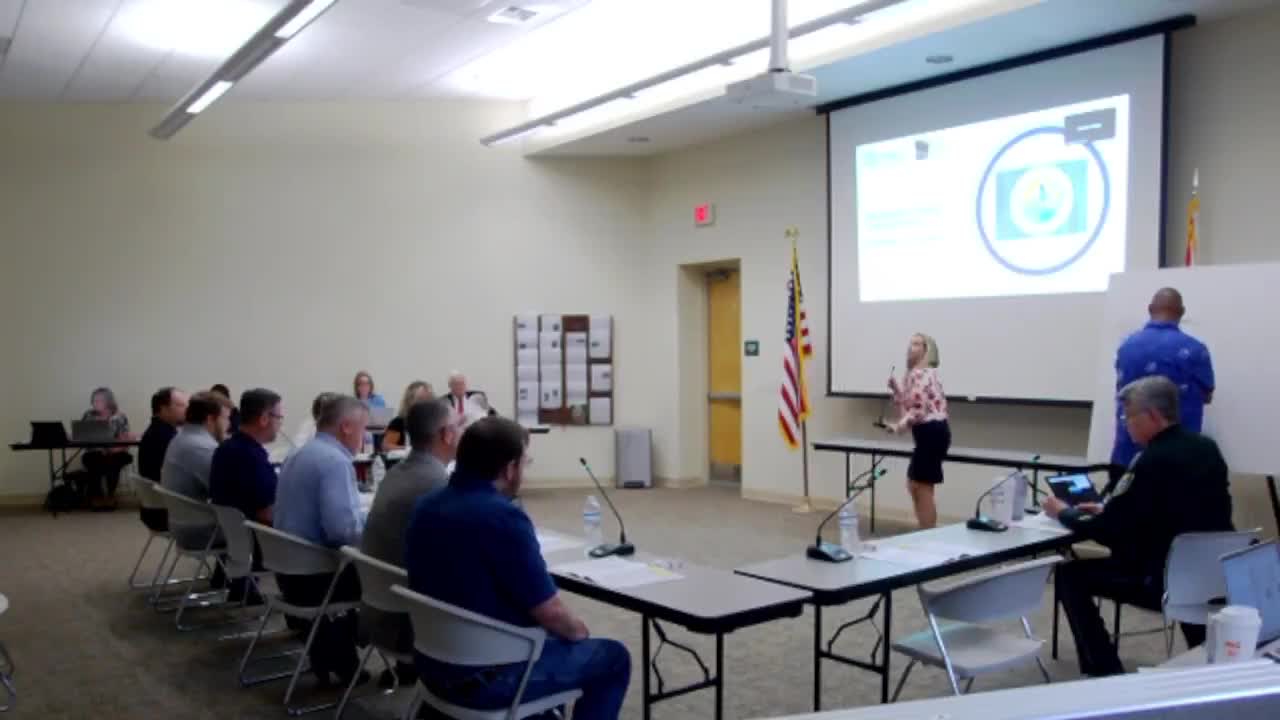
A resident survey and an employee survey presented to the Hernando County Board of County Commissioners on June 18 found that traffic congestion, perceived shortfalls in infrastructure and housing affordability were top concerns among respondents, while county employees reported strong relationships with immediate supervisors but wanted clearer career advancement and cross-department communication.
At the workshop, Dr. Neely, a professor with the USF School of Public Affairs, summarized the resident survey and said traffic and infrastructure "stand out" in open-ended comments and that many respondents felt local infrastructure "hasn't kept pace with growth." He cautioned that the survey measured sentiment rather than a technical definition of affordability and that the 1.2% figure for respondents who rated the county as "excellent" for earning a good wage equated to roughly a dozen people of about 915 total respondents.
The surveys combined a countywide resident questionnaire, stakeholder interviews and an employee survey. Dr. Neely said the resident response size (about 900–1,000 people) yields a "tight margin of error" for overall sentiment but does not guarantee a statistically representative sample because participation was self-selected. He recommended that the county consider a separate statistically weighted survey if it needs representative estimates for policy decisions.
On housing and economic opportunity, Commissioner Ryan Amsler and others discussed the need to translate sentiment into actionable "solution buckets," such as economic development and workforce training. Dr. Neely said the surveys did not apply an academic affordability definition; they recorded whether residents felt affordable options or homeownership were attainable.
The employee survey, which staff said was sent to roughly 780 employees and had about a 21% response rate, showed high marks for employees' understanding of their job duties and relationships with immediate supervisors. Areas identified for improvement were communication across departments, succession planning and career-path clarity. County staff noted an "ambassador" program and repeated employee focus groups as actions already under way to address these issues.
Employees also flagged veteran services and maintenance of natural resources as internal strengths. County leaders said they would use the survey findings as a "touch point" to inform the strategic plan and could choose to commission a statistically representative follow-up if the board wanted that level of rigor.
The presenters and elected officials repeatedly cautioned against overinterpreting self-selected survey results. As the presenters put it, the data provide an informative starting point for drafting the county's vision and goals rather than a definitive mandate for specific policy changes.
Looking ahead, commissioners said the survey themes -- traffic/infrastructure, affordable housing, economic opportunity and employee development -- will feed into the next phases of the county's strategic planning process.