Get Full Government Meeting Transcripts, Videos, & Alerts Forever!
Get email alerts on the Public Safety topic
No spam. Unsubscribe anytime.
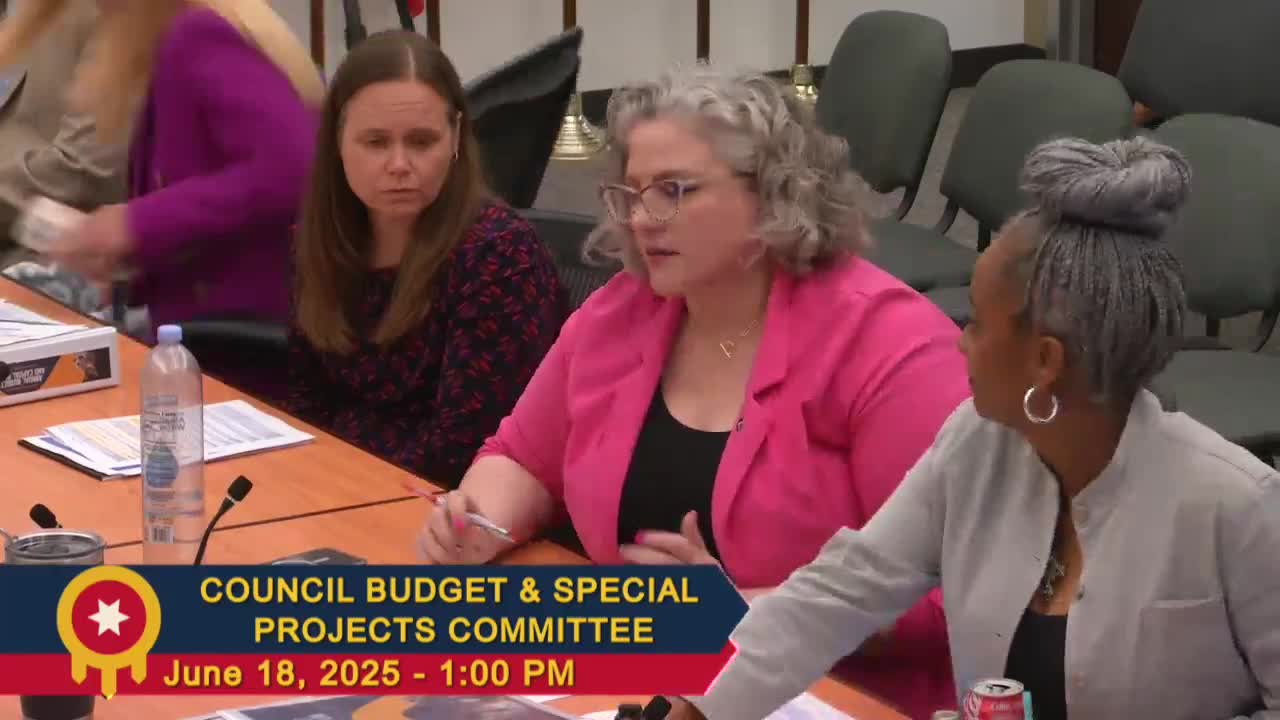
Tulsa committee hears plan to reduce fire overtime by 25% to align with budget; contract timing cited as ongoing challenge
Summary
Councilors and staff discussed Chief Baker’s directive and management initiatives aimed at reducing the fire department’s overtime to bring year‑end overtime costs down to a target of about $3.9 million. Members noted the city’s recurring challenge that sworn personnel contract negotiations occur outside the municipal budget calendar.
The budget committee discussed the Tulsa Fire Department’s overtime costs and a plan that staff described as aiming to lower overtime through operational changes.
What staff said: Committee members reported that Chief Baker issued a directive to departmental chiefs and staff to pursue operational changes intended to reduce overtime by roughly 25% from current levels, with a year‑end target of about $3.9 million. Staff framed the reduction as a mix of initiatives intended to curb overtime use and to bring projections more in line with the annual budget.
Budgetary implications and process constraints: Councilors repeatedly raised the long‑standing tension between the city’s budget calendar and the timing of sworn‑personnel contract negotiations. Committee members said the city typically approves a budget in June, but bargaining for sworn personnel often finishes many months later; staff described those negotiated settlements as a recurring source of mid‑year amendments and year‑end appropriation decisions.
Members asked whether departments could absorb overtime in‑budget; staff and other councilors said some departments have historically used unfilled positions to offset overtime pressure but that this flexibility has diminished in recent years. The committee discussed routinely appropriating expected overtime and noted that some overtime liabilities in prior years were addressed by either year‑end appropriations or settlement actions.
Next steps: Staff said they would continue implementing efficiency directives and report back during budget monitoring to show whether overtime reductions are on track. Committee members noted those actions would be monitored and that absent sufficient savings, the council may have to consider year‑end appropriations or alternative measures.
Ending: No specific budget action to reallocate funds was taken in committee on overtime; the issue will remain under monitoring and could prompt later budget amendments depending on performance against the overtime reduction goal.