
NDOC reports pharmacy system upgrades and expands medications for opioid use disorder program
Get AI-powered insights, summaries, and transcripts
Subscribe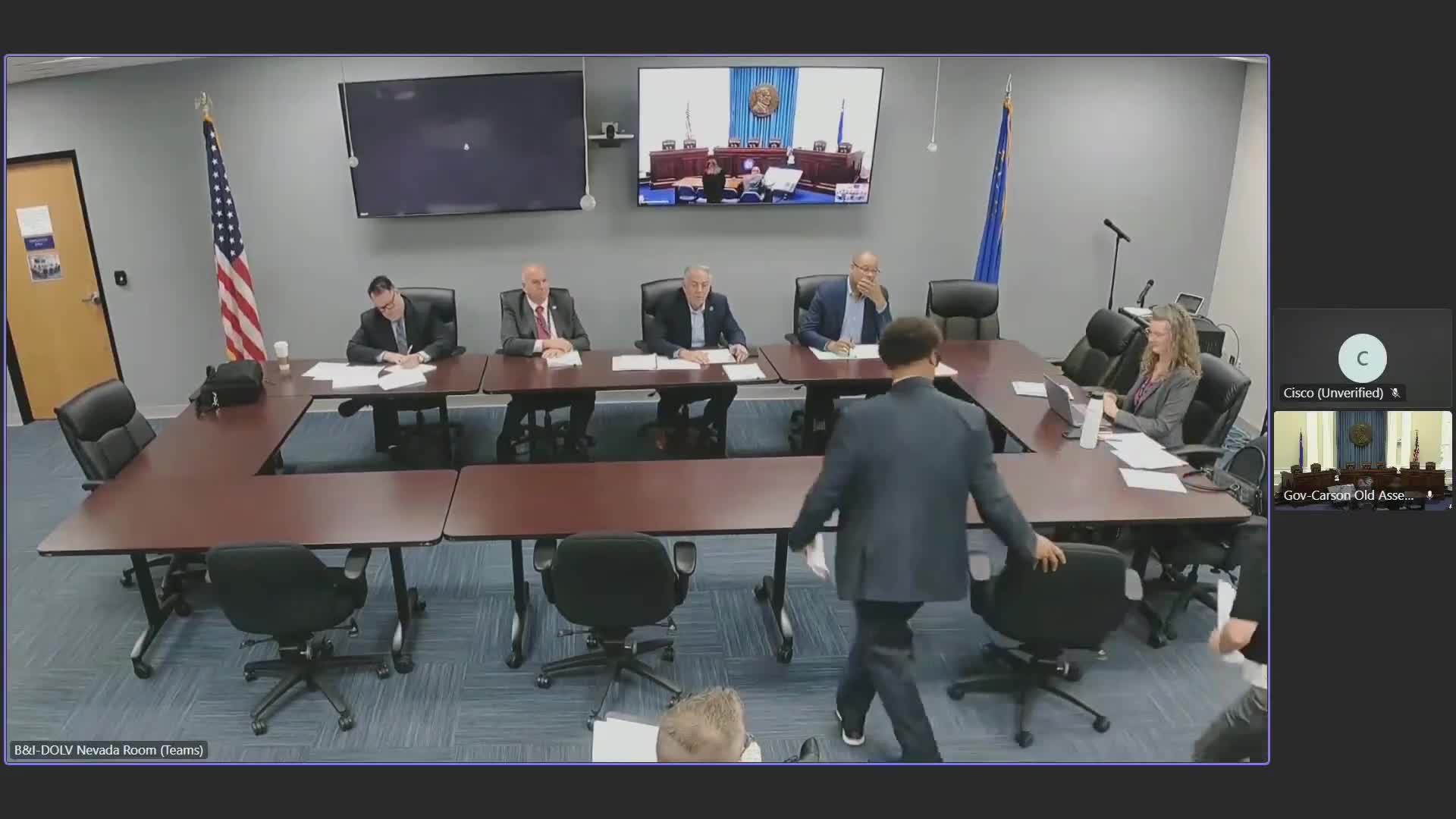
Summary
Medical leaders told the Board of State Prison Commissioners they have a signed contract for a correctional pharmacy system, real-time medication dispensing (Pyxis), and expanding medications for opioid use disorder (MOUD) with plans to use settlement funds for staffing.
Dr. Kim Lay (medical director) and other NDOC medical leaders briefed the board on June 13 about clinical staffing, new pharmacy systems and the department's work to expand medications for opioid use disorder (MOUD).
Dr. Williams (medical services lead) said the department has signed a contract for a correctional and inpatient pharmacy system ("SIPS" in the presentation), which he said will speed provider orders to pharmacy fulfillment and reduce average fill time. He also said the department has a letter of intent to deploy a Pyxis-like system for controlled-medication inventory and real-time auditing to reduce diversion, and that training for the pharmacy system is planned for July with an anticipated go‑live in August.
The department described a cost-avoidance post-release medication plan that provides released individuals with a card enabling them to order prescriptions from community pharmacies within five days of release, rather than the department pre-filling medication at release.
Robin Theiss, substance use disorder program director, briefed the board on MOUD and the department's multi-year effort to establish medications-based treatment inside correctional settings. Theiss described three FDA-approved MOUD medications (methadone, buprenorphine, naltrexone) and said NDOC has partnered with Behavioral Health Group and the Department of Human and Health Services to bring staff and telemedicine capacity into facilities. Theiss said NDOC has stabilized individuals on buprenorphine and is using a monthly injectable formulation (SUBLOCADE) in some settings to reduce diversion.
Theiss said admission (induction) of people onto MOUD inside facilities remains limited by staffing and medication costs; she estimated a single injectable dose can cost "about $1,500 to $2,000 per injection," which affects county jails and program expansion. Theiss said NDOC was accepted into a SAMHSA policy academy and used that process to develop workflows and policies to expand MOUD care.
Board members asked whether opioid settlement funds were being used; Theiss said the department is coordinating with the health department and that settlement money will support hiring a MOUD coordinator and help expand services. The department said its first‑year grant runs through Sept. 30 and that the second year of the grant will be a transition period to enable NDOC medical staff to administer injections and expand services systemwide.
Board members praised the work and asked for timelines and staffing plans to expand induction and continuity of care for people entering custody.