
Prison education partners urge internet-enabled training as Nevada DOC rolls out tablets
Get AI-powered insights, summaries, and transcripts
Subscribe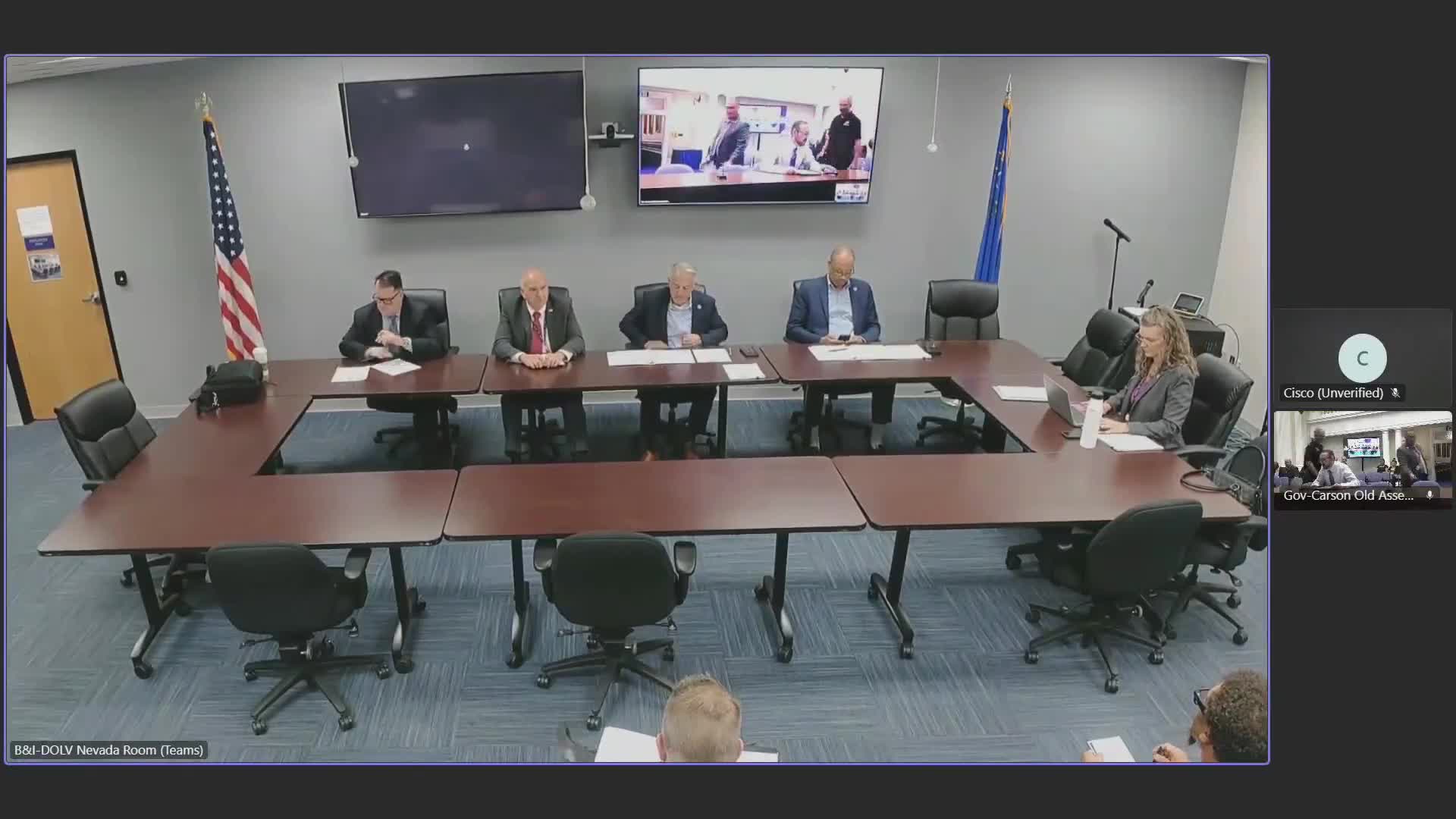
Summary
Speakers at the Nevada Board of State Prison Commissioners meeting called for expanded digital access to support vocational and college programs as the Department of Corrections begins a statewide tablet rollout that officials say will not replace in-person visits.
Jared Orcutt, an educational partnership programs coordinator at Truckee Meadows Community College, told the Board of State Prison Commissioners on June 13 that higher-education access inside prisons changed his life and can do the same for others.
"Access to higher education builds internal architecture, a moral and cognitive framework that's missing in prison," Orcutt said, describing how TMCC's computer lab at Northern Nevada Transitional Housing helped him pursue HVAC and degree work after incarceration.
Orcutt and Jeff Hawkins, who said he represents Companion Automotive and Western Nevada College, urged the board and Nevada Department of Corrections officials to enable Internet-style access for vocational instruction in the auto program at Northern Nevada Correctional Center. Hawkins said program graduates are ready for work but need online resources to train to current industry standards.
Deputy Director Emily Testfried described the department's broader education and reentry work and highlighted partnerships with school districts and colleges that provide high school diplomas, GEDs, vocational certificates and college degrees inside facilities. Testfried said the department has increased program participation from about 10 percent last January to nearly double that number in a recent snapshot, and said tablets will expand access to educational, vocational and reentry content.
Director Zarenda (Department of Corrections) and deputy director Bill Quenga clarified how the tablets will function. Quenga said the tablets "do not give the offender the actual Internet access" and instead connect to a secure modular system in the department's communications room that delivers approved content. He also said the department is working with community partners such as Western Nevada College to explore whether the modular system can support required online testing for certain certifications.
"The tablet visits will not be replacing in-person visits," Director Zarenda told the board in response to public concerns, saying in-person visitation will continue and tablets are an additional option.
Board members asked officials to follow up with specifics about whether and how the department can deliver vendor-required, Internet-based certification tests for programs such as ASC and automotive training. Quenga said he will work with Western Nevada College and report back.
The department said tablets are being installed starting with Northern Nevada Transitional Housing and will move to Casa Grande and several other facilities, with initial rollouts focused on program content rather than open Internet access.
Board members and public speakers requested more detail on timelines and security controls before expanding any Internet-dependent training. The department said it will provide updates as it finalizes vendor arrangements and program testing requirements.