Get Full Government Meeting Transcripts, Videos, & Alerts Forever!
Lake County air district approves 2025–26 draft budget, directs staff to prioritize mandates and press state for funding
Summary
The Lake County Air Quality Management District board approved its 2025–26 draft budget and voted to direct staff to oppose further state subvention cuts, re-engage with the California Association of Air Pollution Control Officers when feasible, prioritize mandated programs, and continue recruitment and retention work with county human resources.
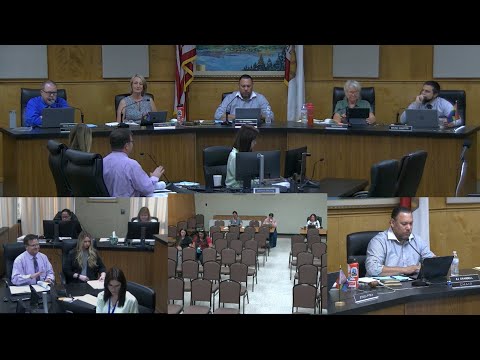
The Lake County Air Quality Management District board of directors approved a draft 2025–26 budget on a motion during a public hearing and issued a set of policy directions aimed at addressing staffing shortfalls, state funding risks, and growing monitoring requirements.
The actions taken Wednesday included a formal vote to approve the fiscal-year draft budget and separate votes directing staff to oppose further reductions in state subvention funding, to re-engage with the California Association of Air Pollution Control Officers (CAPCOA) when feasible, to prioritize mandated health- and risk-based programs, and to work with county human resources on recruitment and retention proposals.
The vote to approve the draft budget carried after a motion and second. Doug Deerhart, air district staff member, presented the budget materials and said the hearing was “basically a opportunity to present the budget and take public comment,” and noted the legal requirement for the hearing under the California Health and Safety Code, section 40131.
Why it matters: Lake County’s air district said rising program responsibilities, potential new state reporting requirements and reduced outside support are straining a small staff and a budget largely supported by permit fees. The board’s directions aim to preserve capacity for legally mandated work while seeking state support to offset new obligations.
Discussion and key concerns
Doug Deerhart told the board the district has not been fully staffed in nearly a decade and that multiple recent and proposed requirements are stretching operations. He listed items the district is tracking that could raise costs or workload: potential indirect-source reporting tied to AB 9914, separate and overlapping toxics and emissions inventory reporting…
Already have an account? Log in
Subscribe to keep reading
Unlock the rest of this article — and every article on Citizen Portal.
- Unlimited articles
- AI-powered breakdowns of topics, speakers, decisions, and budgets
- Instant alerts when your location has a new meeting
- Follow topics and more locations
- 1,000 AI Insights / month, plus AI Chat