Get Full Government Meeting Transcripts, Videos, & Alerts Forever!
Get email alerts on the Public Safety Law Enforcement topic
No spam. Unsubscribe anytime.
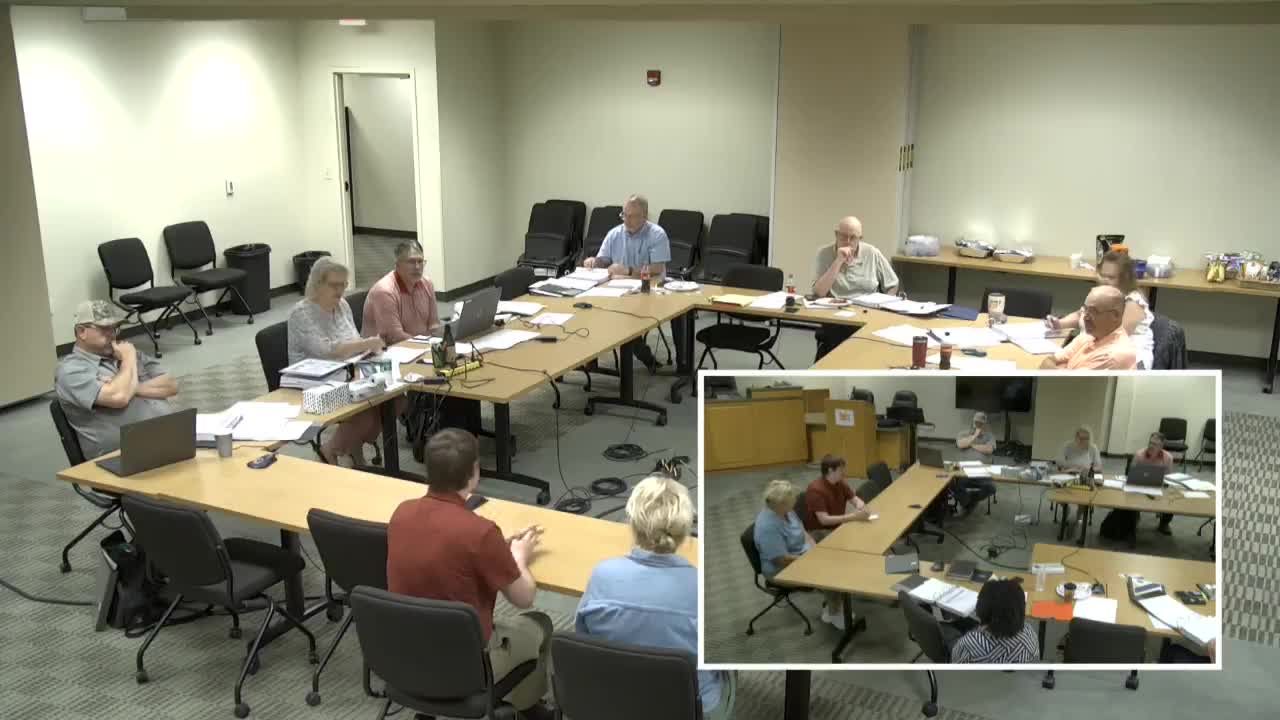
Sheriff briefs commissioners on 2026 budget, jail operations and reimbursements including Larner funding
Summary
The sheriff reported operational budget variances between the sheriff’s office and the jail, discussed inmate medical billing practices, and noted a Larner reimbursement check of about $152,000 for certain inmates; commissioners asked for a line item review before final adoption.
The sheriff presented the 2026 budget request and a jail update, noting projected variances and describing medical billing and external reimbursements that affect the sheriff and jail funds.
Why it matters: inmate medical care and long‑term detention costs can materially affect county expenses. The sheriff said the department is monitoring line items and highlighted a recent reimbursement for inmates housed at the state psychiatric hospital (Larned) that provided a substantial one‑time payment.
Budget status and projections: the county auditor and sheriff reviewed projections showing a potential sheriff’s office shortfall (projected around $68,000 over budget in the sheriff’s office projection) while the jail fund was projected to come in under its 2025 budget by a substantial margin. Staff agreed to examine line items, particularly overtime, narcotics unit spending and personnel accounts, before adjusting appropriations.
Inmate medical and Larner reimbursement: the sheriff said the county received a Larner reimbursement check for about $152,000 for inmates transferred to Larned, and noted the county also receives per‑diem payments when inmates are placed out. The sheriff described billing processes: the jail bills inmate insurance when available, and a vendor (Wellpath) handles Medicaid‑rate collections and bill processing. The sheriff said hospitals and local providers sometimes will not accept inmates for elective care and that collection attempts often yield limited net recovery compared with amounts billed.
Equipment and CIP notes: the sheriff discussed a recurring maintenance/contract item (digital forensics maintenance, “gray key”) and proposed vehicle replacements (two SUVs and a van) and associated emergency equipment. Commissioners asked whether recurring maintenance items should be budget or CIPed; staff agreed to reclassify recurring maintenance into the normal operating budget where appropriate.
What comes next: county staff and the sheriff will review projected over/under amounts line by line and return with revised figures to guide final appropriation choices.