Get Full Government Meeting Transcripts, Videos, & Alerts Forever!
Get email alerts on the Early Intervention Children topic
No spam. Unsubscribe anytime.
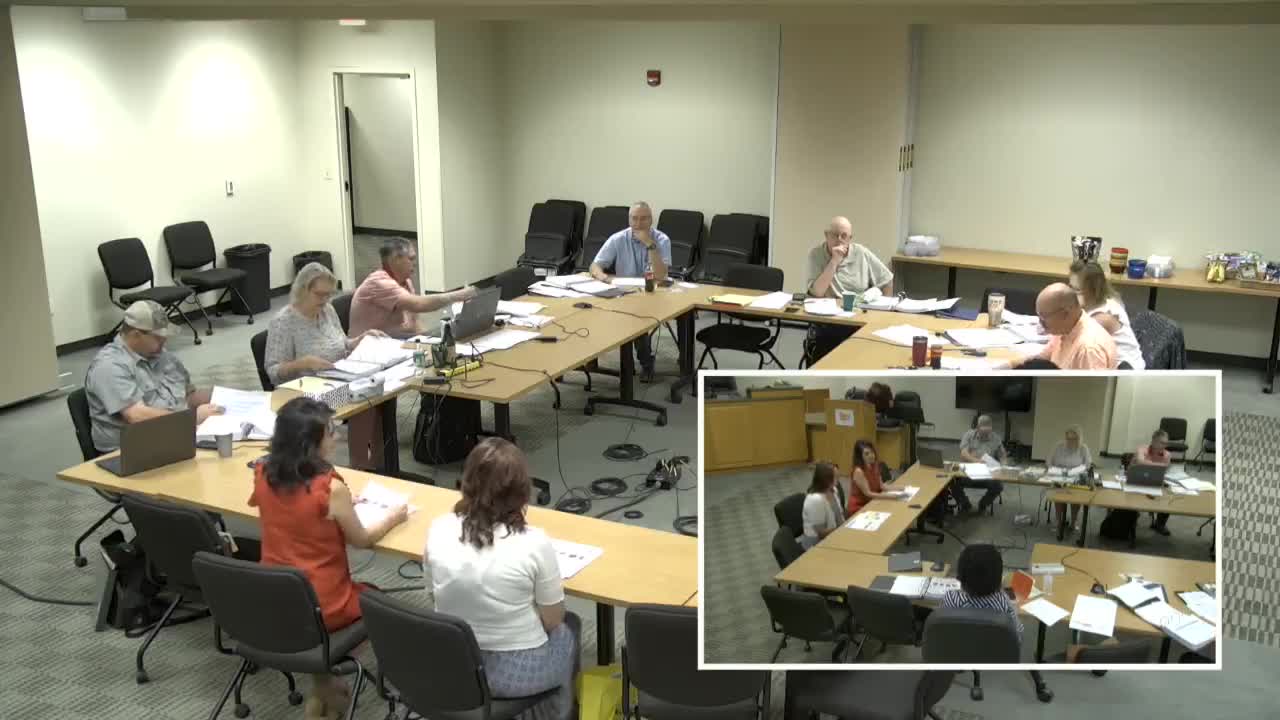
Russell Child Development Center asks Seward County to continue appropriations as it details early intervention workload
Summary
RCDC representatives described services delivered to Seward County children under early intervention (Part C), including home visits, therapy and family coordination, and requested continued county support while outlining reimbursement and grant funding streams.
Rebecca Clancy, CEO of Russell Child Development Center, and program director Stephanie Wills briefed commissioners on the agency’s early intervention services (birth to 3) and asked Seward County to continue funding the mandated program’s local needs.
Why it matters: early intervention (Part C) services are federally mandated supports for infants and toddlers with developmental delays. Local appropriations and fundraising supplement state and Medicaid funding to cover services and transportation gaps not fully covered by categorical aid.
Program scope and services: RCDC said it served 561 children across its full service area in 2024, with 117 of those in Seward County. The program provides evaluations, Individual Family Service Plans (IFSPs), occupational therapy, speech therapy, nursing, social work and coach‑style home visits. Staff emphasized the program’s requirement to begin evaluation and IFSP development within 45 calendar days after referral, and noted the program operates across 13 counties in southwest Kansas.
Funding model and gaps: Clancy described a funding portfolio that includes Medicaid billing, state KDHE grants (which do not fully fund local programs) and local fundraising. RCDC reported that KDHE funding is the largest single source but still requires providers to secure grants and community support to close gaps. RCDC thanked Seward County for a $25,000 allocation in the prior budget year and said a fully funded ask—reflecting local population and service levels—would be larger (RCDC used population and service data to calculate local shares), though it emphasized transparency by listing prior county contributions and funding partners.
Additional details: staff described logistical support—home‑visit fleets that travel across multiple counties, coordination with hospitals and pediatric providers for newborn follow‑ups, and transition services as children turn three and move to Part B school services. RCDC also highlighted its administrative relationship with Greenbush for categorical aid processing and the use of United Way and local grants to pay staff salaries in county offices.
What comes next: commissioners received RCDC’s preliminary budget and historical service data; the center will expect the county to set its appropriation during the regular budget process.
Quote: “We do not have a waiting list for eligibility determinations; once a parent calls, we must assess and develop an IFSP within 45 calendar days,” Stephanie Wills said.