Get Full Government Meeting Transcripts, Videos, & Alerts Forever!
Get email alerts on the Local History topic
No spam. Unsubscribe anytime.
Pea Island Preservation Society shows new film on keeper Richard Etheridge, highlights freedmen surfmen history
Summary
The Pea Island Preservation Society screened a new documentary and unveiled artwork telling the history of keeper Richard Etheridge and the Pea Island Lifesavers; presenters urged the county and residents to help preserve and spread the story.
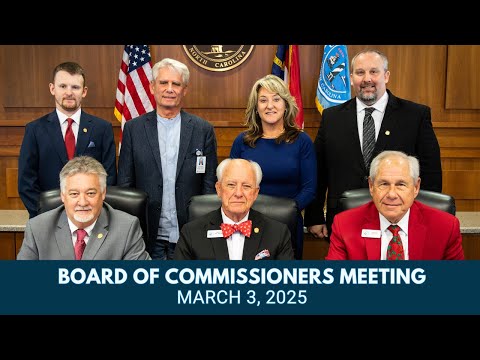
The Pea Island Preservation Society screened a new short film and presented a related exhibit at the March 3 Dare County Board of Commissioners meeting, urging wider recognition of keeper Richard Etheridge and the Pea Island Lifesavers.
The film, A Checkered Past, traces Etheridge's life from enslavement on Roanoke Island to his service in the U.S. life-saving service and highlights the "checkerboard" crews'mixed black and white surfmen'that predated the all-black crew Etheridge later commanded at Pea Island. Presenters said the exhibit and film are part of an education initiative funded by the Z. Smith Reynolds Foundation with support from local foundations and towns.
Why it matters: Pea Island and Etheridge's crew are a local and national story of lifesaving service and the history of Black surfmen on the Outer Banks. Speakers said telling the history helps correct erasures and educates students and the public about local heritage.
What presenters said: members of the preservation society and descendants described the rescue of nine people from the shipwrecked E.S. Newman in 1896 and the century-long delay in recognition for the lifesavers. One presenter said, "Black history is American history," urging that the Pea Island story become better known and incorporated in educational work across the county.
Next steps: the group asked for feedback and public input on the film and the education initiative, and invited commissioners and residents to events and a display at the Cookhouse Museum. Presenters said they would collect community reactions and use them to plan additional programming.