Get Full Government Meeting Transcripts, Videos, & Alerts Forever!
Get email alerts on the Mobility Sales Tax Bill topic
No spam. Unsubscribe anytime.
Charlotte leaders say sales-tax bill for mobility plan has been filed; legislative hurdles remain
Summary
City leaders told committee meetings that a bill authorizing a local sales tax referendum to fund the regional mobility plan was filed in the North Carolina General Assembly and carries strong sponsors in the state senate, but they warned passage and final effectiveness depend on the legislative process and timing with the state budget.
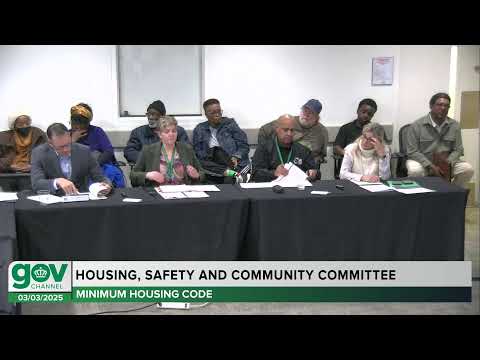
City officials and council members told two committee meetings on March 3 that a local bill authorizing a sales-tax referendum to help fund the regional mobility plan has been filed in the North Carolina General Assembly and carries influential sponsors in the state senate — a notable step after months of local planning.
Committee members said the bill would allow Mecklenburg County voters to decide whether to add a 1-cent local sales tax to help pay for the mobility plan. Council members described a coordinated regional effort and credited local actions such as the city—s purchase of the Red Line corridor for helping make the legislative filing possible.
Council members and staff said the filed sales-tax measure is a local bill for Mecklenburg County and that a separate public bill to create the authority to manage the funds may be handled as statewide legislation. They said the senate sponsors include committee chairs and high-profile legislators and that the filing signals momentum. At the same time, they cautioned that the rules committee process, the state budget schedule and the fact that the House has many new members mean the bill could face delays; the sponsors told the committee the bills are likely to move late in the session.
Speakers emphasized that even if the Legislature passes the bill, the tax would not become effective until a state budget process completes or otherwise makes the authorization effective; that could delay implementation. Council members said ongoing public outreach and education will be necessary if the city seeks voter approval of a local referendum.
Ending: Council members said the legislative filing was a significant advance and urged colleagues and staff to continue public outreach if the city pursues a referendum; no committee vote was requested on March 3.