Get Full Government Meeting Transcripts, Videos, & Alerts Forever!
Get email alerts on the Consumer Protection topic
No spam. Unsubscribe anytime.
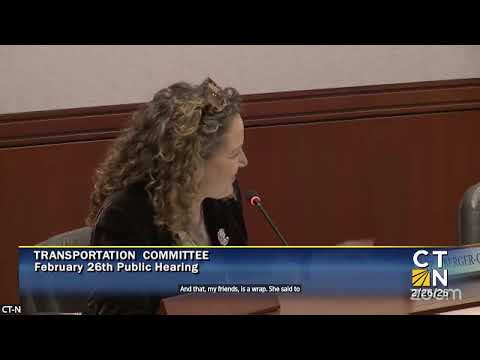
Consumer groups, dealer testify at hearing over hidden dealer conveyance fees
Summary
The Transportation Committee heard competing testimony on a bill to require car dealers to include dealer conveyance/documentation fees in the advertised sale price. Consumer attorneys and lawmakers argued the change improves transparency; dealer groups said the existing disclosure-and-enforcement system is sufficient.
Connecticut lawmakers heard sharply divergent views on a consumer-protection proposal that would require automobile dealers to place dealer conveyance (documentation) fees into the total advertised sale price.
What the bill would do: The proposed legislation would prevent dealers from posting advertised prices that omit mandatory conveyance/documentation fees, forcing the fees to be included “above the line” so buyers can compare total cost across sellers. The bill would not ban the fees; dealers could continue to charge them, but the full purchase price must be shown up front.
Arguments for change: Consumer advocates and legal-aid attorneys told the committee that many car buyers — particularly lower-income or less experienced shoppers — are surprised by additional conveyance fees presented at the end of a sale. Raphaël Podolsky of Connecticut Legal Services testified that including the fee in the advertised price eliminates an incentive for dealers to advertise low headline prices while recovering profits through large, inconsistent paperwork fees. “When you level the playing field, you just say to everybody, treat everybody to say that all the dealers are treated the same way and they’re competing on an equal level,” Podolsky said.
Dealers’ view: Big franchised dealers and the dealer association urged defeat or delay, saying disclosure rules already require posting and their enforcement rests with the Department of Motor Vehicles. Dealer representatives argued that dealers already disclose fees in stores and on websites and that many complaints arise from independent used‑car sellers outside the franchised network. Dealer witnesses said that changing the display requirement would not address bad actors and could create operational hurdles for online advertisements and manufacturer incentives.
Lawmakers’ focus: Committee members said they wanted a workable compromise ensuring buyers can compare true all-in prices while not imposing undue burdens on compliant dealers. Lawmakers pressed dealer witnesses on why fee amounts vary widely and asked consumer advocates to propose a design for an online, searchable registry of dealer conveyance fees. The committee heard from multiple speakers — including a state senator and the majority leader — who said they had been surprised by conveyance-fee practices when shopping themselves.
Ending: The committee did not take a vote. Members asked DMV for data on enforcement actions and rates of consumer complaints and discussed whether a disclosure registry, cap, or mandatory “all-in” price would best protect consumers. The debate continues.