Get Full Government Meeting Transcripts, Videos, & Alerts Forever!
Get email alerts on the Naturopathic Scope B12 topic
No spam. Unsubscribe anytime.
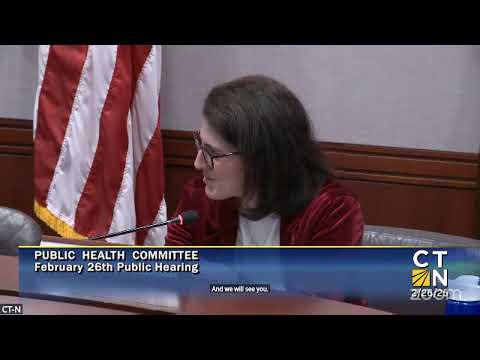
Naturopathic physicians seek limited authority to give injectable B12; medical groups, specialists oppose expansion
Summary
Naturopathic physicians asked the committee to allow injectable vitamin B12 and clarified they seek a narrow natural‑substance formulary; multiple physician and specialty societies opposed any expansion of prescriptive authority, citing differences in clinical training and patient‑safety concerns.
A contentious hearing segment focused on a proposal to permit licensed naturopathic physicians to prescribe and administer injectable vitamin B12 and on a broader request to clarify and expand naturopathic authority for natural substances delivered via non‑oral routes.
Naturopathic physicians said their curricula include classroom pharmacology and clinical rotations and proposed a limited formulary of natural substances (vitamins, minerals, nutrients, probiotics and herbs), exclusion of IV administration and an expanded naturopathic regulatory board (additional naturopathic members plus a public member and pharmacist) to provide oversight.
Several medical and specialty societies — including the Connecticut State Medical Society, Connecticut Orthopedic Society, Connecticut Society of Eye Physicians, Connecticut State Society of Anesthesiologists and the American College of Physicians chapter — testified in opposition. Their main arguments were: naturopathic training and supervised clinical hours differ substantially from allopathic/osteopathic residency training; safe prescribing and injection skills require extensive supervised bedside experience; injectable medicines are prescription drugs that can interact with other therapies; and limited formulary changes create precedent for broader scope expansions. Several speakers cited past scope reviews and said they found no substantive change in training that would justify expanding prescriptive authority.
Naturopathic witnesses and lawmakers who support scope expansion emphasized collaborative practice models and argued small, tightly defined expansions would improve access — for example, intramuscular B12 in populations with absorption problems or patients preferring naturopathic care. Supporters said many naturopathic physicians already provide integrative care and would refer complex cases to specialists.
Committee members asked detailed questions about differences in classroom hours, clinical rotations and residency experience, governance of the naturopathic board, and how to distinguish licensed naturopathic physicians from unlicensed “naturopaths” in consumer settings. Several witnesses suggested that if a change is considered, the board should be expanded and a pharmacist or physician member included.
No vote was taken at the hearing. Advocates said they would continue discussions; physician and specialty groups urged the committee to reject prescriptive expansions for safety reasons.