Volunteer fire chiefs tell committee tax on stipends undermines recruitment and retention
Loading...
Summary
Volunteer fire and EMS leaders urged the Public Safety Committee to exempt the first $2,000 of annual stipends from taxable income, saying stipends are modest compensation for extensive training and response hours and that taxation reduces recruitment and retention in towns reliant on volunteers.
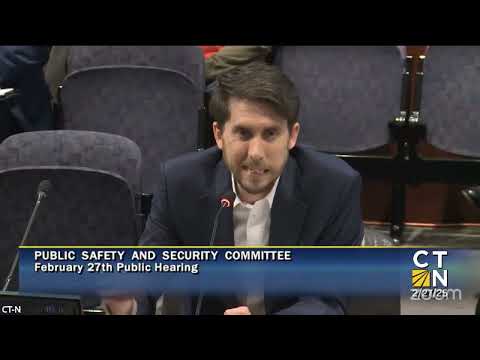
Capt. Richard Wasalek, a volunteer fire captain from Griswold, told the Public Safety Committee that volunteer firefighters devote hundreds of hours annually and that current state taxation of modest stipends undermines recruitment and retention in many small towns.
"That equals less than a dollar 50 an hour in their stipend," Wasalek said during testimony describing the combined training and response time volunteers must provide to qualify for stipends.
Wasalek said the town of Griswold paid a total stipend budget of about $60,000 last year and that 45 volunteers received roughly $1,300–$1,500 each depending on duties and training. He described a minimum volunteer yearly commitment exceeding 900 hours (training plus responses) and said many volunteers end up effectively losing money after federal and state taxes are withheld from stipend checks.
Committee members heard similar testimony from elected officials and representatives who said several towns now supplement paid, part‑time daytime staffing at increasing cost — one example cited a municipality spending about $300,000 to staff limited daytime firefighter coverage — and argued that losing volunteers to taxation pressures forces towns toward expensive paid staffing.
Representative Lanou and others said exempting the first $2,000 of volunteer stipend income would help retention and aid recruitment, particularly among young volunteers entering the service through high‑school programs.
What the bill would do
Witnesses asked the committee to support legislation to exempt the first $2,000 of a volunteer's annual stipend from state income taxation. Supporters called the exemption a modest recognition of work that preserves volunteer fire capacity in small towns and argued it would cost the state relatively little while saving municipalities from substantial increases in payroll expense.
Questions and fiscal concerns
Committee members raised standard budget questions and asked how much state revenue would be forgone; analysts in past years estimated state revenue losses for similar proposals in the low hundreds of thousands of dollars. Witnesses countered that the alternative — municipalities converting to paid staffing — could cost millions in local property taxes if volunteer forces shrink.
Ending
The committee took no formal vote. Witnesses urged lawmakers to preserve volunteer emergency capacity by reducing fiscal disincentives and asked the committee to move the proposal to the next legislative stage.