Get Full Government Meeting Transcripts, Videos, & Alerts Forever!
Get email alerts on the Commuter Rail topic
No spam. Unsubscribe anytime.
Advocates, officials push to restore Shoreline East service after post-pandemic cuts
Summary
Riders, businesses and regional officials urged the Transportation Committee to restore Shoreline East to pre-pandemic service levels and fund regional rail improvements, citing brisk ridership gains after limited winter service and ties to local economic development and tourism.
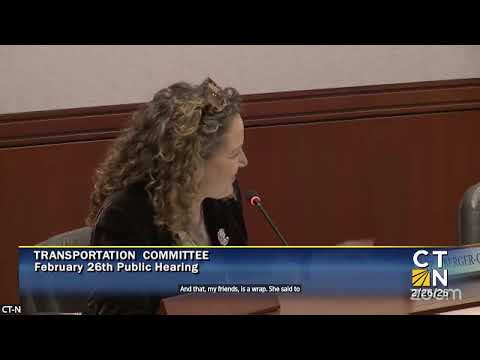
Advocates for a partial eastern Connecticut rail line urged lawmakers at a Transportation Committee hearing to restore Shoreline East service to its pre-pandemic level, saying recent pilot service increases produced rapid ridership gains and that continued cuts have cost residents and businesses access to transit.
Riders’ rebound after pilot funding: Riders’ advocates and regional officials described a measurable upswing in demand after the committee approved a temporary infusion of funds that allowed the state to add a small number of round-trip trains in fall 2024. “Changing from 2023 to 2024, our increase in ridership in September was up 32 percent; October up 58 percent; November up 74 percent; December up 53 percent,” testified Susan Feaster, founder of the Shoreline East Riders Advocacy Group. Panelists said the numbers show riders will return when service is reliable and frequent.
Economic and equity arguments: First selectmen and business leaders from shoreline towns told lawmakers that restored rail service supports tourism (museums, aquariums, recreation) and connects workers to jobs in New Haven, Stamford and beyond. Representative David Howard, a commuter and former officer, said restoring trains would support local economies and relieve highway congestion.
DOT and stakeholders: Connecticut Department of Transportation officials said Shoreline East had not been restored at prior levels after the pandemic and that temporary money had produced useful data. DOT Commissioner Gary Iguolito reiterated agency support for greater rail investment, described infrastructure items already funded and said competitive federal and state investments would be needed to sustain higher service levels. Local transit groups and the region’s council of governments asked for a coordinated plan linking rail service to housing, bus connections and station improvements.
Why it matters: Committee members and local officials said restored service could shift driving trips, reduce greenhouse gas emissions and expand access to jobs and tourist destinations, but they also stressed the need for reliable funding and complementary investments — better connections to local buses, last-mile options and station upgrades.
Ending: Lawmakers asked DOT and regional planners for more details on ridership trends and capital needs; advocates said the post‑pilot ridership surge supports a near-term restoration of service and asked the committee to move bills that would fund the line and related New Haven Line investments into the appropriations process.