Get Full Government Meeting Transcripts, Videos, & Alerts Forever!
Get email alerts on the Wildlife Chain Of Custody topic
No spam. Unsubscribe anytime.
Officials stress chain-of-custody training to curb wildlife trafficking in Ecuador province
Summary
Speakers at a public comment session urged improved chain-of-custody procedures, responder trainings and public reporting after describing frequent wildlife trafficking and a recent seizure of a severely malnourished monkey.
Unnamed speakers at a public comment session urged better chain-of-custody procedures, responder training and public reporting to address wildlife trafficking in a province the speakers described as the second-largest in Ecuador.
The call came from several speakers who described frontline respondersand conservation staff encountering frequent wildlife crimes and needing standard procedures for evidence and animal care. "La cadena de custodia es un procedimiento integral," one speaker said, stressing that the first responder must know what to do when arriving at a scene.
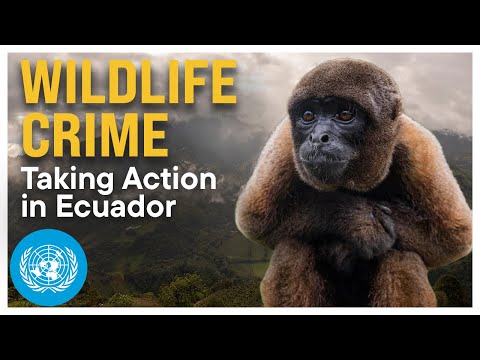
A speaker who identified herself as a government official and biologist described carrying out rescue and education work and recounted a recent seizure of "una monita choronga" in "sper grave" condition: "Su valoración era sper grave, una delgadez, una desnutricin muy grave. En primera instancia, se pudo ganar este juicio." She said the province has high percentages of wildlife trafficking and possession, and emphasized the need for training so officials follow proper procedures during detentions and rescues.
Another speaker, describing herself as engaged in conservation work and running a training workshop on chain-of-custody, urged the public to report wildlife crimes and to coordinate rescues through the emergency reporting line: "Es importante llamar a la ciudadanía para que no comercialice vida silvestre y si es que la ciudadanía ve estos delitos pueda denunciarlos al Eco nueve once y poder coordinar el rescate de estos animales o los procesos correspondientes."
Speakers framed the issue as both an animal-welfare and investigative concern: they tied the quality of on-scene handling to the ability to pursue legal action and to safeguard seized animalsfrom further harm. The comments repeatedly called for formalized training for first responders, standardized chain-of-custody procedures, and public education campaigns to reduce demand and increase reporting.
The speakers did not cite specific ordinances, statutes, budget figures or named programs beyond the emergency reporting line; no formal actions or votes were taken during the session.