Get Full Government Meeting Transcripts, Videos, & Alerts Forever!
Get email alerts on the Pass Through Entity Tax topic
No spam. Unsubscribe anytime.
Budget would move pass‑through entity election deadline; lawmakers ask about cash‑flow and election invalidation risks
Summary
The executive budget would shift the pass‑through entity tax (PTET) election date from March to September. Administration witnesses said the change would improve taxpayers' ability to decide while producing a one‑year cash‑flow shift; lawmakers asked about rules that could invalidate elections for late payments.
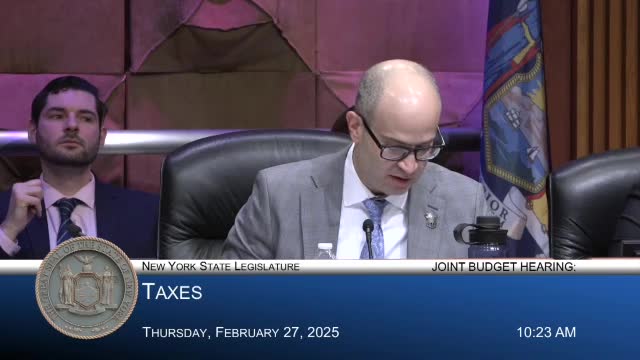
The Joint Fiscal Committee questioned administration witnesses about a proposed change to the pass‑through entity tax (PTET) election date in the governor's executive budget. The proposal would move the election from March to September.
Acting Commissioner Ball said taxpayers have sought a later election date because waiting until September gives entities more information about the taxable year and whether PTET would be beneficial. She acknowledged the administration's fiscal office flagged a one‑year cash‑flow impact because estimated payments tied to the election currently arrive in the fiscal year that ends in March; moving the election to September would shift some receipts into the next fiscal year.
Lawmakers voiced concern about language that could invalidate an election for untimely payment. Ball said the executive budget language mirrors provisions previously enacted when the election date was moved and that the administration is open to working with the business community and legislative staff to address cash‑flow and payment‑timing concerns.
Testimony noted the broader objective of providing businesses greater flexibility without materially disrupting state cash management. The division of budget indicated it believes New York has sufficient cash on hand to manage the one‑time timing effect if the change goes forward this year.