Get Full Government Meeting Transcripts, Videos, & Alerts Forever!
Get email alerts on the Motor Vehicles topic
No spam. Unsubscribe anytime.
Committee advances bill tightening school-zone speed camera rules, directing funds to school safety
Summary
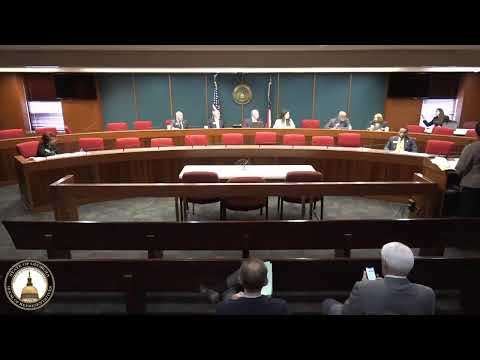
The House Rules Committee advanced House Bill 651, which narrows the operational window for school-zone speed cameras, establishes a 10 mph variance, requires flashing speed-display signs and redirects a portion of camera fines to school safety grants.
The House Rules Committee advanced House Bill 651 on a hand vote after extended debate, sending the measure to the Senate for consideration. Chairman Powell presented the bill as a rewrite of earlier school-zone camera law intended to restore the original public-safety focus.
The bill revises how automated speed-enforcement in school zones operates and how revenue is used. "This was done as a matter of public safety for schools," Chairman Powell said, adding that the program had in some places become a revenue generator rather than a safety tool. The measure would require speed-display flashing signs in school zones, codify a 10-mile-per-hour variance over posted limits for enforcement, and restrict camera operation to defined school-period windows.
Under the bill, enforcement in school zones would be limited to one hour before and one hour after morning classes and one hour before and one hour after afternoon classes (a four-hour span covering arrival and dismissal). The bill sets civil penalties with a first offense at $75, a second offense at $100 and removes an earlier $25 administrative surcharge; the maximum fine under the bill is $125.
The measure also changes the distribution of citation revenue. The author said half of the money collected under the program would be required to be distributed by local governments to schools in the county as school-safety grants rather than flowing primarily to municipal coffers or law enforcement budgets.
Committee members raised questions about due process, the operational role of private camera vendors, and whether local law enforcement reviews footage before citations are issued. Representative Mathis pressed on appeals and lien issues; Chairman Powell said the citations are civil and may be contested in local court and that a vehicle owner can protest if they were not the driver. "If you're not guilty of something, don't accept it," Powell said.
Ray Kaufani of the Georgia Budget and Policy Institute told the committee GBPI supports the bill's safety intent but urged funding be used for safer street design. "We believe the revenue that goes here should go towards that," Kaufani said, arguing investment in roadway design and infrastructure is a more durable safety solution than continued reliance on automated enforcement.
The committee chair conducted a hand vote and then declared, "Bill carries." The chair reported counting six hands in favor; the chair's verbal count indicated fewer opposed. The record in committee reflected that the bill was advanced to the Senate; the Senate may consider other, differing measures on automated enforcement.
Background: lawmakers debated automated school-zone cameras in past sessions amid complaints about round-the-clock citation issuance, aggressive placement of cameras and how revenues were used. Supporters of HB 651 said the rewrite restores the original safety-focused intent of the law, limits times and variability in enforcement, and directs part of the proceeds to school safety projects.