Get Full Government Meeting Transcripts, Videos, & Alerts Forever!
Get email alerts on the Education Priorities Thurmond topic
No spam. Unsubscribe anytime.
State superintendent urges long‑term investments in literacy, TK expansion and educator housing
Summary
California Superintendent Tony Thurmond told the Senate budget subcommittee the state must sustain long‑term investments in reading, math, universal TK, and supports such as educator housing and dual‑language programs to reverse persistent achievement gaps.
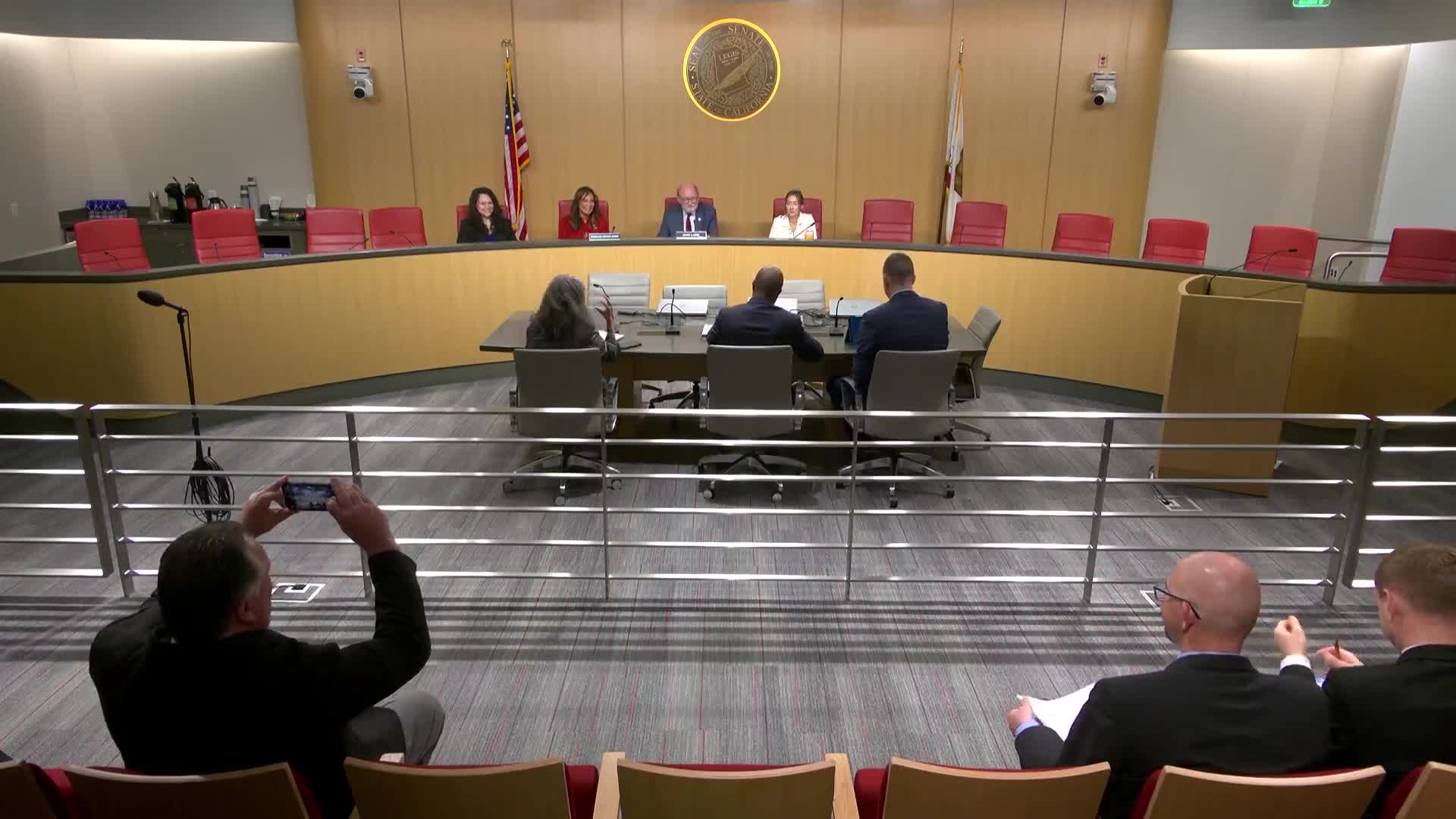
California State Superintendent Tony Thurmond told the Senate Budget Subcommittee No. 1 on Education on March 13 that the state should prioritize sustained, long‑term investments to close persistent achievement gaps and support students affected by homelessness, natural disasters and immigration‑related fears.
Thurmond highlighted multiple priorities: improving early literacy and math, expanding universal transitional kindergarten (TK), providing reading coaches and tutoring, and addressing educator housing shortages. He also described disaster recovery needs in fire‑affected districts and urged the legislature to consider accelerating existing capital funds for communities whose schools were damaged.
“Every student deserves to get a quality education,” Thurmond told the committee, adding that California’s ‘‘record high level of funding’’ must be sustained and targeted. He described programs the state is leveraging, including universal TK for 3‑ and 4‑year‑olds and expanded meal programs, and he urged long‑term, ongoing funding rather than short‑term fixes.
Key figures and proposals
Thurmond said the Department of Education is convening a cohort of about 2,000,000 students across 250 school districts to concentrate literacy and math interventions such as reading coaches, learning recovery block grants, and expanded learning opportunities. He cited state data showing persistent gaps: declines in English learner progress and student proficiency below national averages.
Thurmond also raised homelessness and housing instability as a major driver of lower attendance and achievement. ‘‘We have 240,000 homeless students in our state. There are 10,000 of them who right now are unaccompanied and on their own,’’ he said, framing the problem as both humanitarian and fiscal because state revenue is linked to ADA.
On educator housing, Thurmond said school districts own roughly 75,000 acres of surplus land that could be used for housing development and suggested that even modest development (15 units per parcel) could yield large numbers of housing units over time. ‘‘If the school districts that have the surplus property built only 15 units on those parcels, it will result in more than 2,000,000 units that would be available, by the year 2030,’’ he said.
Dual language and expanded learning
Thurmond advocated for dual‑language immersion programs and incentive grants tied to longer school days or years that would encourage districts to offer extended learning or tutoring. He pointed to local examples—Compton Unified and Los Angeles Unified—that have used longer days and targeted tutoring to improve reading and math outcomes.
Responses and next steps
Committee members invited Thurmond to visit districts and schools in their districts to review cohort strategies and to help communicate how targeted investments are being used locally. Thurmond said the department stands ready to work with the committee on budget implementation and program alignment and recommended funding be focused on scalable, evidence‑based reading and math interventions and on workforce supports such as professional development and educator housing.